
Iron deficiency is commonly associated with anaemia, but the two are not the same. You can be iron-deficient even when your haemoglobin (Hb) is within the laboratory’s “normal” range.
Haemoglobin reference ranges are based on population averages and do not necessarily represent an individual’s usual baseline. If your usual Hb is higher, a result that technically falls within the normal range may still represent a meaningful drop. More importantly, iron deficiency should be addressed once identified rather than waiting for anaemia to develop.
Iron exists in two broad pools in the body. The storage pool — primarily found in the liver, spleen — and reticuloendothelial system, acts as the body’s reserve. The functional pool includes red blood cells, bone marrow and muscles, where iron is actively used.
Iron absorbed from the intestine is transported by transferrin and distributed between these pools.
There are two important forms of iron deficiency:
Absolute iron deficiency (AID) occurs when iron stores are genuinely depleted. This can result from inadequate intake, increased requirements, poor absorption, or blood loss.
Functional iron deficiency (FID) occurs when iron stores are present but cannot be effectively released for use. Chronic inflammation increases the hormone hepcidin, which blocks ferroportin, the body’s primary iron exporter. As a result, iron becomes trapped in storage, while tissues remain relatively iron-starved.
What causes iron deficiency?
Iron deficiency can have several causes:
Inadequate intake: Restrictive diets, growing children, and increased nutritional requirements
Increased needs: Pregnancy, growth spurts, and, in some circumstances, athletic training
Reduced absorption: Coeliac disease, inflammatory bowel disease, H. pylori infection, autoimmune gastritis, bariatric surgery, and acid-suppressing medications
Dietary inhibitors: Tea, coffee, and calcium consumed around iron-rich meals can reduce iron absorption
Chronic inflammation: Conditions such as inflammatory bowel disease and heart failure can contribute to functional iron deficiency.
Blood loss: Heavy menstrual bleeding, gastrointestinal bleeding, frequent blood donation, surgery, trauma, and certain medications can all contribute
Finding why iron is low is just as important as replacing it. Iron is essential not only for haemoglobin and myoglobin production but also for mitochondrial enzymes and cellular energy production. This is particularly important for highly metabolic tissues such as the heart and skeletal muscles. Symptoms alone cannot reliably diagnose iron deficiency. Severe deficiency can impair muscle function and increase oxidative stress, potentially contributing to muscle weakness and reduced exercise capacity.
Why Iron matters during pregnancy
Pregnancy significantly increases iron requirements. Iron-deficiency anaemia during pregnancy is associated with increased risks including premature birth, low birth weight and impaired fetal growth. Importantly, iron deficiency without anaemia can also matter. Anaemia is a relatively late manifestation of iron deficiency because the body prioritises available iron for red blood cell production. This means other tissues, including the brain, may become iron-deficient while Hb still appears normal.
Adequate iron status is particularly important during late pregnancy and infancy, when rapid brain development and myelination occur. Ideally, women should have their iron status assessed and deficiencies addressed before conception. During pregnancy, oral iron is commonly used as first-line treatment, while intravenous iron may be considered in appropriate cases, particularly when oral treatment is ineffective or poorly tolerated.
Nutrition and treatment
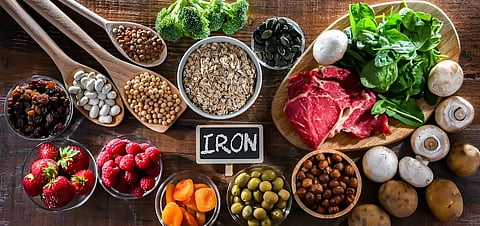
A nutrient-dense diet can support iron status. Include meat, poultry and fish, along with legumes, whole grains, and vegetables. Pairing plant sources of iron with vitamin-C-rich foods can improve absorption. However, diet alone is often insufficient to correct an established deficiency. Medicinal iron may be required under medical supervision.
Oral iron is generally the first-line treatment. Alternate-day dosing may improve iron absorption and tolerance for some people, while common side effects include constipation, diarrhoea, nausea, and digestive discomfort.
Follow-up blood tests, including haemoglobin, ferritin, and other relevant markers, help determine whether treatment is working.
Iron deficiency is not synonymous with anaemia. Waiting for haemoglobin to fall before addressing depleted iron stores can mean missing an important window for intervention.
Recognising iron deficiency early, identifying its underlying cause, improving dietary iron intake, and using appropriate supplementation when necessary can help support energy, muscle function, pregnancy outcomes, and overall health.
