
NEW DELHI: Soon, the sight of workers watering Delhi’s parks with water that once flowed down drains will be normal: the Delhi Jal Board (DJB) has cleared a Rs 90 crore plan to channel treated effluent from sewage treatment plants (STPs) to green spaces across the national capital.
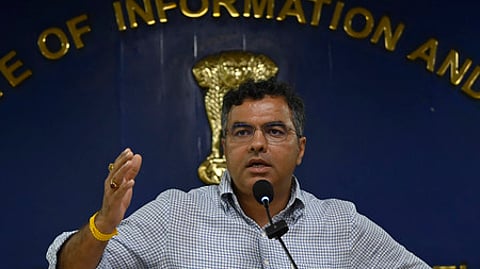
Water Minister Parvesh Verma, who chaired the board meeting that approved the project, said the scheme will lay pipelines to deliver treated water to large parks, central verges on roads and other public landscapes that need irrigation. The Delhi Development Authority (DDA) and the Public Works Department (PWD) will partner with DJB to implement the network.
Officials noted that Delhi currently operates 37 STPs, of which 18 are being upgraded to boost overall treatment capacity. At present, the city’s treatment infrastructure handles roughly 600 million gallons per day (MGD) against an estimated generation of about 792 MGD, leaving a gap that the upgrades aim to reduce.
The board has identified about 90 sites citywide where pipelines could be installed to tap treated water for horticulture and related uses.
Verma emphasised that the objective is to reuse all suitably treated STP output for irrigation, reducing pressure on potable supplies in water-scarce pockets of the city.
“Areas facing intermittent supply will benefit,” the minister said, adding that other departments and agencies can request connections to the new distribution lines.
The initiative is part of a broader Sewerage Improvement Scheme (SIS), a master plan to modernise Delhi’s sewerage and treatment infrastructure. Alongside capacity augmentation, the STP upgrades will improve effluent quality so treated discharges meet government standards — bringing biochemical oxygen demand (BOD) levels down to the prescribed limit of 10, officials said.
That quality will make the reclaimed water safe for horticultural use. DJB is also pursuing projects to return treated water to the Yamuna to help revive the river’s health by diluting pollution loads.
