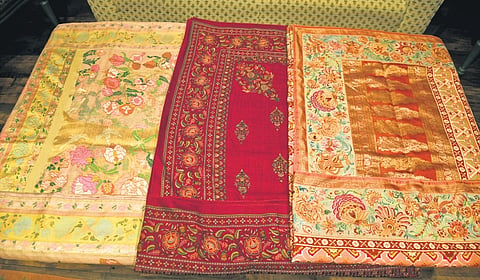

HYDERABAD: Gaurang Shah, the Hyderabad-based internationally acclaimed designer renowned for his exquisite focus on traditional designs, consistently delivers stunning outfits. Each creation is meticulously crafted, infused with extensive research and dedication to breathe life into every outfit. With an unwavering commitment to excellence, this designer has firmly established his presence in the fashion industry. Recently, Gaurang showcased his latest collection, Gulal, at the Lakme Fashion Week, where CE spoke with him about his latest creations and more.
Tell us about your new collection Gulal.
The collection I recently showcased at Lakme Fashion Week is named Gulal. In the past, people traditionally chose clothing colours based on the season, and this season’s hue was pink, which inspired my collection. Gulal continues a narrative I’ve been weaving; in 2022, I presented Sindoor, featuring the colour red, and this year, it’s Gulal, focusing on pink. Looking ahead, I plan to explore Haldi and Kesar, representing yellows and oranges, next year. It’s a tale spanning three seasons. Gulal delves into the rich tapestry of Indian textiles, bringing together fabrics from various states. The collection featured an array of garments, including 12 sarees and 32 ghagras, showcasing woven, embroidered, hand-painted, and block-printed textiles. Every piece celebrates the artistry of handcrafted textiles, capturing the essence of India’s diverse craftsmanship.

What are the fabrics that are used in this collection?
In this collection, we’ve incorporated a variety of luxurious fabrics, including silks, matka, kadhi, tussar, and muga, along with an array of yarns. The craftsmanship extends to diverse weaving techniques such as jamdani and jacquard, each adding depth and texture to the garments. Reviving lost and forgotten stitching techniques was a priority, showcasing exquisite embroidery like the mocha from Gujarat, Kashmiri aari, Lucknow’s chikankari, Karnataka’s kasuti, and Bombay’s parsi gara. The collection boasts a rich tapestry of embroidery styles and weave techniques, creating captivating textures in various shades of pink.
Tell us about the importance of handlooms in India and how we can showcase it more.
When it comes to handlooms in India, the diversity and richness are unparalleled. Every region offers unique weaving techniques, colours, and textiles, making it a treasure trove unlike any other country. Travelling through India, you encounter a plethora of weaving traditions, each telling its own story through fabric. The way we showcase our handlooms is undoubtedly justified; it’s a celebration of our heritage, honouring the legacy passed down by our ancestors. It’s imperative that we preserve and promote these traditions, encouraging people of all ages to embrace handloom textiles.
How do you think the trend of handlooms has evolved?
The evolution of handloom trends has been remarkable, both in design and technique. Today, there’s a heightened awareness and appreciation for handloom fabrics, with designers and consumers alike recognising their intrinsic value. Modernising handloom designs is essential to ensure their relevance and appeal across generations. Adapting designs, colours, and textiles to contemporary tastes is crucial in keeping handlooms vibrant and desirable. As for trending colours, every shade holds its own appeal. From pink to red, yellow, orange, and even green, my choice of colours is driven by mood and inspiration, ensuring each collection is fresh and captivating.
Tell us about your weaving experience in Telangana?
My weaving experience in Telangana, particularly in the Pochampally and Puttapaka belt known for Ikat, has been limited due to challenges with design copying and resistance to change among weavers. However, in Andhra Pradesh and other states, I’ve found greater success and collaboration with weavers. One state that holds a special place in my heart for weaving is Andhra Pradesh, particularly the village in Srikakulam district where my khadi, jamdani is produced. Over the years, I’ve worked closely with the weavers, transforming the village and empowering its inhabitants, particularly women, who have found newfound opportunities in weaving.
What does fashion mean to you?
For me, fashion transcends mere clothing; it’s a statement of identity and tradition. Wearing a handwoven saree embodies timeless elegance and serves as a testament to the enduring beauty of Indian craftsmanship.