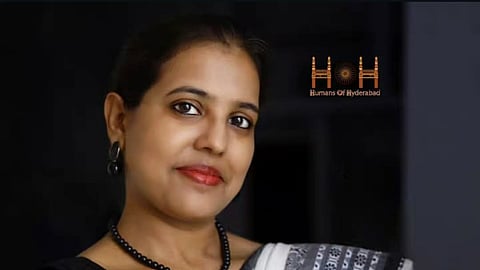

Having been deeply immersed in the world of art, Devika Das is an award-winning author, poet, actor, and theatre artiste. Her creative two decade journey seamlessly weaves together books, stage, and screen. With bestselling titles like The Mind Game, heartfelt poetry collections, and her latest release Kaleidoscope, she continues to inspire readers by exploring the transformative power of art and emotional expression. In a conversation with CE, Devika shares insights into Kaleidoscope, the inspirations behind it, and the pivotal role art has played in shaping her life.
Tell us about your book Kaleidoscope. What inspired you to write it?
Kaleidoscope is a compilation of artist interviews built around the idea of showcasing why the arts are a meaningful life choice and how they contribute to holistic growth. Art helps us achieve balance in life. My inspiration stemmed from the fact that I’ve been a theatre artiste for the last 22 years and have authored five books. Writing, acting, and performing have transformed my outlook on life, kept me grounded, and enabled me to understand and explore myself more deeply.
Why did you choose the title Kaleidoscope?
The artists I interviewed come from diverse backgrounds, and each of them defined emotions in their own unique way. Every colour means something different to each individual, shaped by their personal experiences. That diversity of perspectives felt much like a kaleidoscope — vibrant, dynamic, and ever-changing — which is why I chose the title.
You spoke to people from various walks of life. How did you decide whom to approach and why?
Many of them were friends, fellow authors, or contacts through colleagues — people I already knew who painted or were otherwise engaged with art. I wanted to understand how art had impacted their lives. These artists represent everyday people I’ve known personally or professionally. I chose them deliberately to show that even amid busy routines, we can all find at least five to ten minutes to pursue our passions and connect with art.
The book explores what art means to those who create it. What does art mean to you personally?
Art means life to me. Without it, I honestly don’t know where I’d be. Art has shaped my personality and given my life purpose and meaning. Writing helps me navigate complex situations — when I have no one to talk to, I write. Theatre, and the many roles I’ve played, have taught me a great deal about people and human behaviour.
What challenges did you face while writing this book?
Coordinating with the artists was one of the biggest challenges. The interview process took nearly six months because people were often unavailable or hesitant. Another challenge was preserving the authenticity of their responses. Some answers were simple, but I chose not to embellish them with flowery language. I kept the writing straightforward to honour the honesty of their voices.

What do you hope readers will take away from Kaleidoscope?
I hope readers come away with a broader understanding of how art can influence their lives. You don’t need to pursue art professionally to feel its impact. Even casual engagement can help you process complex emotions and, ultimately, make you a better person.
Is there any story or conversation from the book that has stayed with you?
Yes. My conversation with Ruma Chakraborty left a lasting impression. She spoke about her travel adventures, her childhood, and the rebellious streak she had from a young age — as well as her courage in challenging stereotypes. It was deeply inspiring.
If you had to describe Kaleidoscope in three words, what would they be?
Inspiring. Mindful. Thought-provoking.