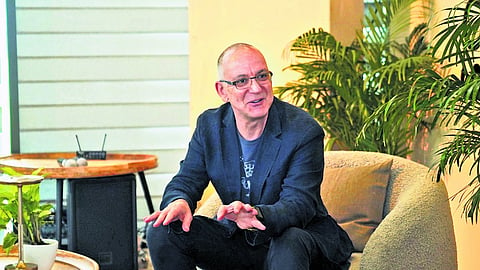

Luxury living is increasingly shaping aspirations in Hyderabad, with evolving lifestyles inspiring new approaches to design, technology, and experiential spaces. Reflecting this shift, Sonos, the premium audio brand, recently hosted a design and sound experience workshop at district 150. CE spoke to Richard O’ Carroll, Sonos, senior professional commercial manager, APAC, about the immersive showcase and its focus on integrating sound into contemporary living.

Excerpts
Tell us about the show held at district 150?
The showcase was conceived as an immersive experience rather than a conventional product demonstration. Held over two days at district 150, Sonos brought together architects, interior designers, AV partners, and home specialists to explore how sound fits into the way modern homes in Hyderabad are being imagined. As Hyderabad evolves not just as a real estate market but as a cultural hub for cinema, music, and contemporary living, the sessions reflected this transformation. They examined both technical and design perspectives, demonstrating how premium multi-room sound can be seamlessly integrated across spaces — from cinematic living rooms to quieter, personal corners of the home. The event generated strong engagement around how sound can enhance everyday living. With entertainment becoming central to lifestyle choices and homes becoming more experience-driven, Sonos aims to deliver immersive, high-quality sound that aligns with how Hyderabad listens, lives, and entertains.
What was the focus of the two-day event?
The event featured complementary themes across both days. Day one focused on AV partners and specialists from Hyderabad, TG and AP. Led by renowned sound engineer Kannan Ganpat from Annapurna Studios — known for landmark films such as Baahubali — the session explored high-fidelity sound engineering and home cinema experiences. It also featured Sameer Seth, director of marketing at Dolby, who discussed recreating studio-quality audio within residential spaces. Day two focused on architects and interior designers. The session was co-hosted by the Sonos team alongside Hyderabad-based architect Aamir Sharma of Aamir and Hameeda Interior Designers. Discussions highlighted how modern homes are evolving into social and experiential environments, and how flexible, design-friendly audio solutions can integrate seamlessly into interiors without intrusive wiring or bulky setups. Across both days, the central idea was to position sound as a fundamental layer of design and lifestyle rather than a secondary feature.
What was unique about this showcase?
The showcase stood out for its multidisciplinary approach, bringing together AV professionals, sound engineers, audio technology experts, architects, and designers. Instead of focusing solely on product specifications, it explored how premium sound intersects with design, daily living, and modern home culture. Key discussions centred on home automation integration, wireless modular setups, and design-sensitive placement — highlighting a growing trend where sound is considered early in the design process rather than added later. The event also reflected Hyderabad’s emergence as a design-forward city where premium living increasingly includes curated sound experiences.
Can you elaborate on the techniques demonstrated during the workshop?
The showcase demonstrated how Sonos technology supports both AV professionals and designers in creating sophisticated living environments. For AV partners, sessions highlighted Dolby-certified technology and advanced sound engineering that enable authentic cinematic experiences at home. For architects and designers, the focus was on flexibility, wireless functionality, and modularity, allowing effortless integration across diverse home designs without complex controllers or AV racks. The workshop also showcased compatibility with existing home automation systems, demonstrating how Sonos’ APIs enable seamless control through applications used for lighting, climate, and other home functions.
How was the response from the Hyderabadi audience?
The response was overwhelmingly positive, with strong engagement throughout the sessions. Attendees appreciated the clarity of demonstrations, particularly the seamless movement of sound across rooms in a multi-room setup. Many were impressed by the flexibility of integrating a whole-home sound system without complex wiring, simply through an application. Overall, the intuitive experience and ease of integration resonated strongly with the audience.