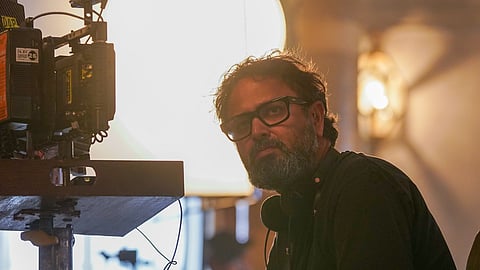

Grand in scale, intimate in emotion, and unflinching in its portrayal of history, Freedom at Midnight Season 2 marks yet another triumphant chapter in Nikkhil Advani’s ever-evolving storytelling journey. The filmmaker, known for seamlessly blending heart with heft, returns with a stirring continuation of his historical epic set against the searing backdrop of India’s Partition in 1947, now streaming on SonyLIV. With its nuanced writing, powerhouse performances and a deeply respectful lens on one of the nation’s most painful chapters, the new season builds on the legacy of the first and raises the emotional stakes even higher. It’s not just history retold, it’s history felt.
From giving us cult romance classics like Kal Ho Naa Ho to delivering socially charged blockbusters such as Airlift and Batla House, Nikkhil has always had his finger on the pulse of the audience. And with celebrated web series like Mumbai Diaries 26/11, Rocket Boys and Freedom at Midnight, he has cemented his place as one of India’s most formidable forces in the OTT space.
In a candid chat with CE, the filmmaker opens up about the overwhelming love pouring in for Freedom at Midnight Season 2, the kind of stories that inspire him, and why being a hands-on husband and father is just as important to him as calling ‘action’ on set.
Excerpts
How has the response been so far for Freedom at Midnight Season 2?
It’s been quite stunning, actually. I’m quite shocked. People are sending me screenshots of their Google searches because they’re stopping the episodes to verify whether certain events really happened. I’m getting messages saying their mothers and grandmothers were crying while watching. Families are having dinner-table arguments and discussions. The reviews have been incredible. My colleagues from the film industry have been calling to say they watched all 14 episodes together. It’s been very, very gratifying. Season one falls into the genre of a boardroom drama — almost like a chamber piece. We wanted to transport viewers into boardrooms, studies, and corridors where tough decisions were being taken in real time. You become a voyeur, participating in those conversations and understanding how complex those moments really were. Season two was always meant to be more like a thriller. The book itself shifts pace and focus. While season one is very internal, season two becomes very external — dealing with the army, refugees, the common man, Kashmir, and finally, the assassination of Mahatma Gandhi.

You showed restraint in portraying violence. Was that a conscious choice?
Absolutely. I didn’t want the audience to just watch violence, I wanted them to feel like participants. You feel the fear that the victims are feeling. It was a terrible time. Brothers turned against brothers, neighbours against neighbours. There was no glorifying violence. There was very little choreography. It had to feel chaotic and real. Shweta Venkat’s editing really helped create that sense of mayhem.
As a filmmaker, what kind of stories drive you?
Drama, mainly. I don’t really plan things. I’ve been fortunate, stories come to me from different places. Whether it was Freedom at Midnight, Rocket Boys, Mumbai Diaries, or Batla House — they all came organically. My plan is to be as unplanned as possible and keep my mind open.
When did you realise direction was your true calling?
I still haven’t realised it. I still curse myself sometimes, it’s very tough. You’re constantly putting yourself out there to be judged. But I love being on set. That’s my break. I love being surrounded by people who have blind faith in what you’re trying to create. I’m lucky I get to do what I love — telling stories.
Has your understanding of cinema evolved over the years?
Of course. It has to. Art imitates life and life imitates art. Society evolves, people evolve, and storytelling evolves with them.
Which genre challenges you the most?
Comedy. It’s very personal. What I find funny, you might not. But making people cry is universal. Comedy is scary, that’s why I’ve stayed away from it.
Has OTT changed the game for you as a filmmaker?
It’s benefited me tremendously. Some reviewers say I’ve become a master of long-form storytelling, though I think I still have a long way to go. (laughs) I love shows like Paatal Lok and Kohrra. Long-form storytelling has opened up exciting possibilities.
What kind of stories do you think Indian audiences crave today?
India is too big to generalise. That’s why multiplex culture is important — people can choose what they want to watch. The audience isn’t just looking for one kind of cinema anymore. They’re open to experimenting.
Do we see you working in Tollywood anytime soon?
There are certain things we’re discussing, not right now. But I admire many filmmakers from there, and we do talk about collaborating. I shot parts of Salaam-E-Ishq in Hyderabad and have done several ad films in the city.
Who is Nikkhil Advani beyond filmmaking?
A husband and a father. That’s what I’m most proud of. Filmmaking should be the means to live your life, not your entire life. The life I want to live is being a good husband and a good father.
Has cinema taught you any life lessons?
Never take anything too seriously. Once a film is out, it no longer belongs to me, it belongs to the audience. They have the right to criticise it, reject it, or celebrate it.
Any message for young filmmakers just out of film school?
I always quote Francis Ford Coppola: “If you can sit, don’t stand. If you can sleep, don’t sit.”
What’s next for you?
Period drama series called The Revolutionaries will come out in the second half of the year — it’s set between 1912 and 1915, before Gandhi returned to India. Based on Sanjeev Sanyal’s book, Revolutionaries: The Other Story of How India Won Its Freedom, focusing on the lesser-known young Indian freedom fighters who advocated armed resistance against British rule. Emmay Entertainment is completing 15 years, so a lot of projects we’ve been developing will start rolling out this year. You’ll see many announcements. If the rest of the year goes the way January has gone, I’ll be a very happy man.