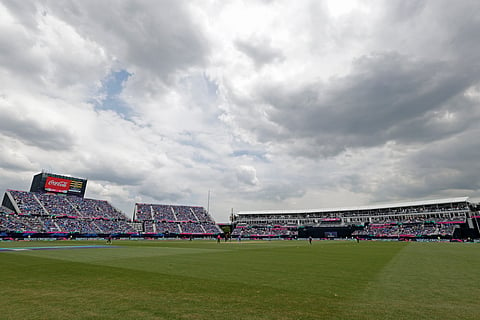

The first group stage of the Men’s T20 World Cup is over. While there are still two more weeks to go, the first half of the tournament painted a picture about cricket’s baby steps towards fulfilling an American dream. But it has not been easy. For the better part of the last fortnight, the conversations have been around the pitches in New York, the $30-m modular venue, early morning starts with the purpose of catering to the Indian television audience and the weather in Florida. In their pursuit to make the game global, especially with the inclusion of cricket at the 2028 LA Olympics, the ICC perhaps had their hearts in the right place. However, the execution can improve a lot. There were teething issues like teams commuting long distances for matches, playing on drop-in pitches that seemed undercooked. Though vagaries of nature cannot be controlled, Florida matches were affected by rain, which was predictable to an extent.
Then come the questions of having marquee matches in the morning (US time) and the high pricing of tickets. Which makes one wonder how much of the local audience did the tournament attract. Thankfully, the co-hosts stepped up. While the US kicked off the tournament in style with a win over Canada, it was only when they beat Pakistan that all eyeballs turned.
In their very first T20 World Cup, the US have advanced to the Super 8s, making a mark at the global stage. The rise of Scotland, who almost eliminated defending champions England, is as important as Afghanistan establishing themselves as semifinal contenders, outperforming New Zealand. The gap between full-members and associate nations in this particular format is diminishing at a good pace.
This World Cup is an excellent example for what teams can do with ample opportunities and conditions that make contests a level-playing field. The real challenge will be when the conditions do not offer similar help to bowlers. For teams with little resources, they need regular opportunities to play against stronger teams and more financial support, too. The first leg of the T20 WC, despite its share of issues, has set the path along which the sport should progress towards the 2028 Olympics. The onus now is on the ICC to ensure that it stays on course.
