
The just-concluded Jammu and Kashmir assembly election was a pivotal moment for the troubled state—reflecting not only local concerns but also broader national dynamics. The issues of identity, autonomy and the restoration of statehood resonated deeply with the electorate. Regional parties National Conference (NC) and People’s Democratic Party (PDP) framed the election as a struggle for identity and autonomy. In contrast, national parties like the BJP and Congress focused on the restoration of statehood, emphasising the need for development and effective governance within an improved security environment.
After the results on October 8, the central government must work with the new state government to swiftly work out the modalities for restoring statehood. The NC, the dominant political force, has promised to restore Article 370 and statehood. The PDP, Ghulam Nabi Azad’s Democratic Progressive Azad Party, Engineer Rashid’s Awami Ittehad Party and Jamaat-e-Islami have also pledged to advocate for the same. Despite the political rhetoric, there is widespread scepticism among the populace regarding the likelihood of Article 370’s return.
The parties would do well to focus on what they can realistically deliver. There is a convergence of views regarding the restoration of statehood. PM Narendra Modi has assured the people the restoration of statehood is merely a matter of time. The important question at the moment is what form will that statehood take? Will it resemble the full-fledged state that existed before J&K was divided into Union territories, or will it be akin to Delhi, where the central government wields significant power through the Lieutenant Governor and the police? Ram Madhav, the BJP’s point-person for J&K, has declined to provide a definitive answer to this critical question.
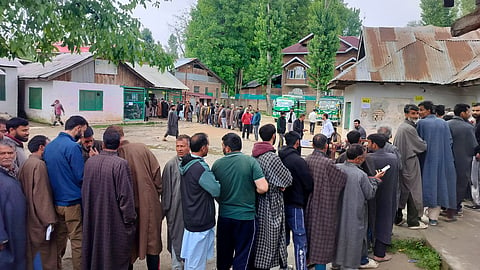
The large turnout indicated the electorate’s desire for meaningful change. The next government must prioritise infrastructure, jobs and public services rather than dwelling on historical grievances. The central government can build on the progress made over the last five years by restoring statehood, which is essential for the political empowerment of the people and fostering peace. Fatigued by years of unrest, the electorate seeks tangible benefits from governance. The central and state governments must work in tandem to ensure security, civil liberty and progress for the state’s people.
