
Kerala local polls have lessons for all three alliances
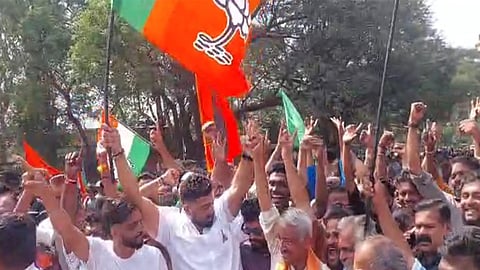
The outcome of the local body elections in Kerala has dealt a rude shock to the ruling CPI(M)-led LDF. In a contest seen as a forerunner to the assembly election due in a few months, the Congress-led UDF scored a decisive victory, winning four out of six city corporations, 54 of 87 municipalities, and a majority of the block and grama panchayats. While the results underscored the existence of strong anti-incumbency sentiments against the Pinarayi Vijayan government, they also pointed to the changing dynamics in Kerala politics. If the UDF’s victory signalled winds of change, the BJP-led NDA’s capture of the Thiruvananthapuram city corporation and its improved performance across the state, despite a few setbacks in some strongholds, emphasised its growing acceptability.
Apart from voters’ disenchantment, the Left’s tactics also contributed to its defeat. Instead of projecting its track record in development, the CPI(M) spent much of its campaign time discussing the UDF’s association with the Welfare Party of India, a Jamaat-e-Islami affiliate, and allegations of sexual misconduct against Congress legislator Rahul Mamkootathil. The attempts to embarrass the UDF imploded spectacularly. The theft of gold at the Sabarimala temple also hurt CPI(M), with both the Congress and the BJP effectively using the sensitive issue. The Left has very little time to make amends ahead of the assembly election, but it must chalk out a credible strategy if it to hope for a third successive term.
The Congress victory came despite its shortcomings—a squabbling leadership, the allegations against Mamkootathil, and the lack of a convincing game-plan. Its strength, at the moment, lies in the consolidation of Muslim votes and anti-government sentiments. That does not mean the road ahead would be smooth. Given how the party is capable of shooting itself in the foot, the leadership needs to be on guard against complacency and infighting.
For the BJP, winning the capital’s municipality, which had been held by the LDF for four decades, is a watershed moment. While the results indicate its expanding footprint, the party needs to look at converting its growing acceptability into votes if it wants to do better than a distant third-place finish. The results have shown the three fronts their place in Kerala’s contemporary political space. What matters is how they digest voters’ message and approach the coming assembly election.