
Delhi-NCR's dangerous air quality has dominated national headlines, but Odisha is quietly moving up the AQI ladder. Last week, four urban centres in the east breached the 300 mark. In the process, these locations even overtook the national capital, which had seen a short-lived improvement in air quality.
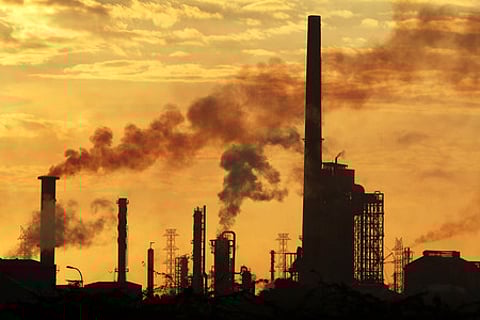
Balasore recorded a PM2.5 level of 338, while Angul and Talcher followed with 321. Baripada too fell into the ‘very poor’ AQI category, with a reading of 301. These figures raise troubling questions. Angul and Talcher lie in one of eastern India’s major coal belts and host thermal power plants, heavy industries and extensive mining operations. Their consistently poor air quality is largely the result of industrial pollution, mining operations and the heavy movement of vehicles. Baripada, however, does not fit this pattern and remains difficult to explain. Located near a 2,475 sq km tiger reserve, the town has limited industrial presence and lacks the scale of automobile traffic or construction activity seen in cities such as Bhubaneswar and Cuttack. That a relatively small urban centre is recording such high pollution levels should be treated as a warning sign.
Odisha’s rising pollution levels have not yet prompted the political or administrative urgency seen in the national debate around Delhi. This is an opportune moment for the state government to commission a rigorous scientific assessment of pollution trends and hotspots. The state action plan on climate change and human health for 2022–27 has already noted an increase in acute respiratory infections and influenza-like illnesses. But the real impact of pollution on public health can be understood only if hospital data and long-term health studies are opened up for serious research. As industrial growth accelerates, pollution may remain a major challenge. Industrial belts already record higher levels of air pollution, pointing to gaps in regulation and enforcement. Alongside this, dust from construction sites and the burning of municipal waste require urgent and sustained attention. Urban local bodies need to strictly enforce the rules and penalise repeat offenders. At the same time, tackling pollution requires a broader effort—encouraging cleaner modes of transport, raising public awareness, making real-time air quality data easily accessible, and issuing clear health advisories when pollution levels rise. Without these measures becoming routine, air pollution will remain an escalating threat rather than a manageable problem.