
Peace gets a chance: Mend Manipur's social fabric now
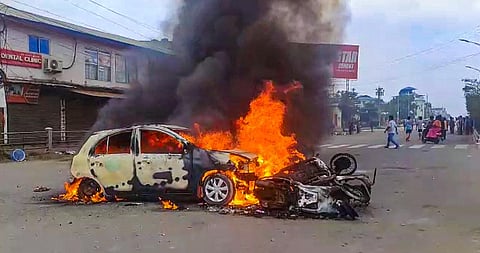
Even in the best of times, Manipur wasn’t easy to govern. A hotbed of ethnic tension among the majority Meiteis and the minority Kuki-Zos and Nagas, strategic compromises had to be forged at times to prevent their conflicting aspirations of identity and autonomy from boiling over. For example, the Assam Rifles struck a deal with Kuki insurgents behind the state government’s back two decades ago, suspending operations without their knowledge. It resulted in a conflict of interest between the armed forces and the state machinery before the ‘ceasefire’ deal became public. A formal peace pact followed, renewed annually. However, Kuki-Zo insurgents, who were pushed out from Myanmar, began pouring into the Manipur hills and indulging in international drug peddling, creating a security nightmare. Manipur erupted in 2023 after a questionable High Court order directed the grant of Scheduled Tribe status to the Meiteis, in line with the rights already enjoyed by hill communities. After over 260 deaths in the resultant violence, and the dismissal of the then Biren Singh government, a tripartite peace agreement between the Centre, the Manipur administration, and the Kuki-Zo Council was clinched last week. It coincided with the proposed visit of the prime minister to the state after two long years.
Although there was some subsequent dissonance from a few outfits, the accord is expected to remain in place. It provides for the opening of National Highway-2, the state’s lifeline that was hitherto blocked. The insurgents agreed to cooperate with the security forces to maintain tranquillity along the buffer region of the highway controlled by the Kuki-Zos, ensuring the free movement of goods and people. The language of the Kuki-Zo Council was acceptable, as it said the path forward lay in dialogue, not division.
However, the suspension of operations pact is only the beginning of a long road to normalcy. The peace policy must place at its core the suffering and agency of ordinary Manipuris, particularly women, who have endured the gravest scars of the conflict. Festering mutual mistrust that segregates the population and even inhibits intermingling in government offices is another reminder of the depth of emotional stress. Tripartite talks must earnestly pursue sustaining peace and address the aspirations of the Kuki-Zo people. Collective efforts to promote healing to restitch Manipur’s torn social fabric require persuasion and perseverance.