
Ever since the Pakistan Cricket Board started threatening to boycott the T20 World Cup a month ago, Iceland Cricket began posting some memorable tweets. One on Monday that reflected the mood over the upcoming tournament read, “We remember the days when the most dramatic events in World Cups involved the playing of cricket. Now we have teams entering, leaving and partially playing, and it is only five days before it begins. Mayhem! You couldn’t run a circus any better.”
Things are indeed chaotic ahead of the first match on February 7. Unlike Kerry Packer’s ‘Circus’ of the late 1970s, which changed the complexion of modern cricket, the one unfolding now is threatening to shake the cricketing ecosystem off the field. The past month witnessed weaponisation of cricket as a geopolitical tool like never since the ban of apartheid-ridden South Africa. The PCB was posturing ever since Bangladesh were replaced by Scotland for refusing to play in India. Yet, their boycott of the India match at Colombo shocked the cricketing fraternity.
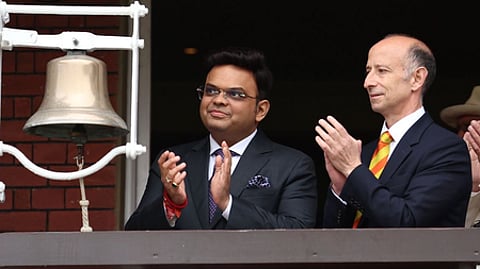
The International Cricket Council should have proactively attempted to stop the brewing trouble from spilling over; instead, on Sunday, it reactively pointed to the resultant long-term financial losses. What makes matters more intriguing is that Jay Shah heads the ICC. So any ICC decision could be seen as having political implications, both at home and abroad. It’s why the decision to remove Mustafizur Rahman from the IPL set off a chain reaction that could affect the sport’s financing.
The absence of even one India-Pakistan match, the sport’s biggest fixture, could cause broadcasters a rethink in the future. The money offered by broadcasters ensured that the neighbours were clubbed in a group at ICC events for a decade. In turn, this match funded a lot of lesser teams. What happens now? Though India’s hegemony cannot be broken, Pakistan and Bangladesh have shown it can be disrupted. There have been boycotts earlier too, but the uncertainty was never like this. This could also adversely affect India’s bid for the 2036 Olympics and even the 2030 Commonwealth Games. The ICC must find a way out before the politics gets darker. If the Orwellian thought that ‘sports is war without weapons’ takes hold in these deeply polarised times, there’s no guaranteeing how the rivalry will spill over from the playing field.