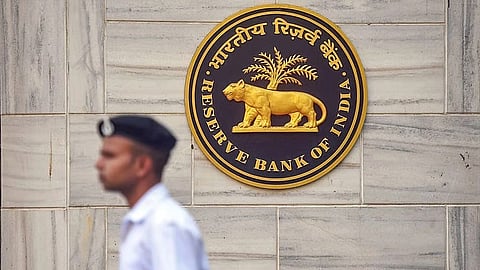

Initiating a major pro-consumer reform, the Reserve Bank of India (RBI) is set to introduce stricter norms for banks and recovery agents on how loans are recovered from borrowers. There has been growing disquiet over the strongarm tactics used by banks and their agents to recover loans, including threatening phone calls and other forms of intimidation. In many cases, the amounts owed to banks are disputed, and there is little institutional mechanism to determine responsibility. As promised by Finance Minister Nirmala Sitharaman in her recent Budget speech, the RBI has released a set of draft directions focused on borrower protection. The draft, after review, is expected to take effect on July 1. Among the provisions are a ban on consumer harassment, clear rules for the repossession of assets, and standard operating procedures for hiring and deploying recovery agents.
The RBI’s reforms will also address two other areas of concern for consumers—unfair and misleading sales practices for high-risk financial products and rising bank fraud. These measures should ideally have been introduced earlier; however, better late than never. Guidelines are in the pipeline to mandate transparency in the sale of third-party, bank-linked products such as insurance and mutual funds. At present, exaggerated claims about potential returns are often made without adequate disclosure of the associated risks. The new norms will also shift part of the burden of increasing digital fraud onto banks by providing automatic coverage for small frauds up to ₹25,000. This will compel banks to strengthen security at the source and provide layered protection to vulnerable groups such as pensioners.
Hopefully, this range of consumer protection measures will foster greater respect for consumers than currently exists. Loan recovery agencies—often functioning as quasienforcement entities—have been deliberately positioned as an intermediary layer, as banks prefer not to be directly associated with questionable recovery practices. This opaque arrangement should be eliminated, and loan recovery should be made a direct division within financial institutions. Moreover, as many bank claims are contested, there is a need for fast-track tribunals empowered to adjudicate disputes and provide timely relief to complainants. Finally, these new guidelines must carry real force through deterrent fi nancial penalties on banks that compromise consumer safety. The Office of the Ombudsman has functioned effectively; similarly, a robust redress mechanism must be established to ensure that the consumer remains paramount.