
Impractical deadlines to follow norms don't help
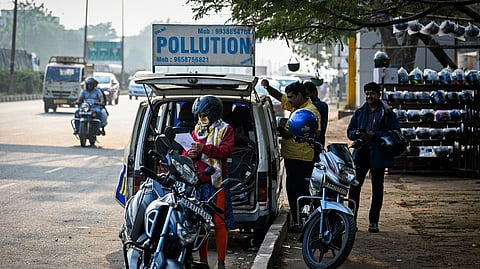
A ‘No pollution certificate, no fuel’ notice by the Odisha government has made vehicle owners line up before pollution testing centres across the state. People can be seen on serpentine queues, braving the chill and, ironically, the poor air quality to get their pollution under control certifi cates (PUCCs). A massive backlash forced the BJP government to put off the deadline twice in a week. However, at a time pollution has emerged as a matter of grave concern, a staggering 78 percent of the 93 lakh vehicles in Odisha were found not to have valid PUCCs. Even the state police, which plies over 10,000 vehicles, had no clue of their PUCC status.
The recent action started when a Supreme Court panel flagged the state’s low level of compliance. After being put on notice, on December 20, the commerce and transport department shot off letters to oil companies to deny fuel to any car lacking a valid PUCC. Two days later, it set a January 1 deadline—and that’s when things started going south. Faced with criticism, the government shifted the deadline to January 31, but the ordeal of car owners continued. People queued up forsaking daily work and endured hours of painstaking wait as the testing centres struggled to cope with the heavy turnout. Finally, the administration pushed the deadline to March 31.
Compliance is extremely critical to check vehicular pollution, more so when air-quality indices have shown unprecedented deterioration in the state. But equally important is empathy. Expecting the owners of over 70 lakh vehicles to obtain PUCCs from about 850 testing centres in 10 days was nothing short of administrative senselessness in the first place. The crisis also exposed the poor enforcement framework that led to the pile-up in compliance. It is imperative that the government goes after motor vehicle rule violators given the enormity of road safety and pollution issues, but enforcement must be a sustained round-the-year strategy to be effective. The government must also learn from the past. Last year, its attempt to implement e-KYC verification of ration card holders within a short deadline had led to a similar human crisis. The well-intentioned exercise to weed out ghost beneficiaries is getting extended even now.