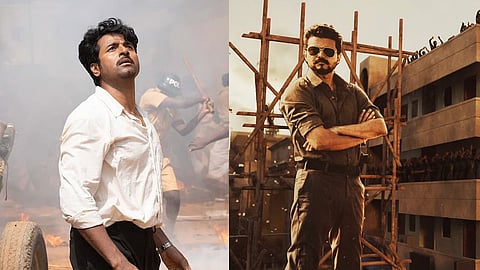

In India, and especially in Tamil Nadu, politics and cinema are deeply intertwined. Films often do far more than entertain: they shape public opinion, provoke debate and, in several instances, have launched political careers. That is why the recent certification controversies surrounding Vijay’s Jana Nayagan and Sivakarthikeyan’s Parasakthi feel larger than isolated disputes. They point to deeper anxieties about who controls narratives—and when. The unusually strong reaction of the CBFC—delayed certification for Jana Nayagan owing to late-surfacing objections, and extensive cuts suggested for Parasakthi—stands out. Critics argue that a body meant to certify films increasingly appears to exercise wide discretionary powers, leaving filmmakers uncertain about boundaries and treating audiences as incapable of forming their own judgements.
Parasakthi revisits a real historical movement that shaped the State’s political imagination. The CBFC appears keen to evaluate such films through contemporary sensitivities. But that risks flattening history and sanitising uncomfortable truths. Jana Nayagan has reportedly been asked to tone down its political messaging. When stories of power and protest are selectively muted, the concern is not merely artistic but historical. The contrast becomes sharper when other overtly political films receive clearance with minimal resistance. This uneven application of standards reinforces the perception that certification decisions are influenced more by circumstance than by clearly articulated principles. With Assembly elections drawing closer, such interventions inevitably acquire a connotation of their own, prompting speculation about timing and intent—even if none is officially stated.
This debate is not about dismantling film certification. Most agree that some regulatory oversight is necessary. But the law mandates that the CBFC certify films, not censor or morally adjudicate them. Legal experts have repeatedly urged restraint and consistency. Delays and last-minute objections, however, carry serious financial consequences and weaken creative confidence. The problem has been compounded since the abolition of the Film Certification Appellate Tribunal in 2021, which offered swift, informed recourse from people who understood cinema. In its absence, what could have been a cultural moment during Pongal has turned into a cautionary tale—in which every cut inches closer to control, and audiences are presumed unable to think, interpret, or choose for themselves.
