
Don't dictate business model to cover government deficiencies
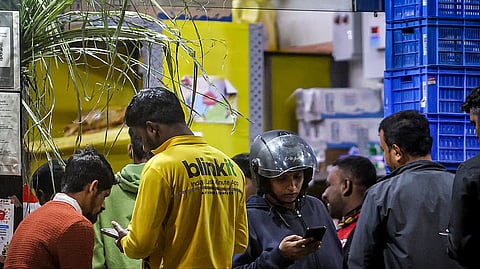
A business model that failed across the world has taken off in India for both commendable and worrying reasons. Quick commerce—doorstep delivery in 10 minutes—accounts for almost three-fourths of India’s e-grocery orders and a tenth of the e-retail market. It testifies to India Inc’s ability to evolve a technology-driven business at a mass scale. But this burgeoning ecosystem, which is expected to employ more than 3 crore Indians by 2030, has resulted in a human cost that workers are increasingly unwilling to pay. After gig workers’ unions called for nationwide strikes near the end of 2025 to draw attention to their poor working conditions, low pay and lack of redress, the Indian government asked q-comm platforms to drop the 10-minute pledge. While platforms like Zepto, Swiggy and Flipkart duly toed the line, this bit of knee-jerk policymaking begs the question whether the government should dictate business models or focus on ensuring safety and fair wages for workers.
The 10-minute delivery model flourished in India not just as a byproduct of Covid-era lockdowns, when customers got habituated to receiving goods in the comfort of their homes. Now they are understandably loath to venture out into our nightmarish cityscapes, with pollution, traffic snarlups and terrible roads—so they accept with both hands as business solves a problem left by government. But the very existence of a vast army of jobless youth—desperate, atomised, bereft of the power of collective bargaining—is a sign of policy failure too. Low labour cost is what made the business model profitable. The new labour codes are up for public consultation just in time.
Solutions must address all sides, without killing the business. Local governments must ensure ‘dark stores’, or neighbourhood warehouses, are licensed. Shorter delivery equals safer logistics. Rash driving is a national problem; the delivery worker, often a new entrant at the bottom of the pyramid, should not be unduly penalised. Consumers too could wean themselves off the 10-minute delivery miracle for most purchases—except for medicines and the like. Aggregators can help by offering larger discounts for slower portage. The perils of 10-minute deliveries must be mitigated with a number of actions, but dictating business models to companies should not be one of them.