
"Khela hobe," West Bengal Chief Minister Mamata Banerjee had famously proclaimed in the run-up to the 2021 assembly polls, when she appeared to be on the ropes before romping home. Meant to convey “the game is not yet over”, the phrase became a leitmotif for the ruling Trinamool Congress, symbolising its energetic pushback against the BJP, which was on an upswing at that point. This time around, the Centre took the initiative to kick off the next khela with the sudden resignation of Bengal Governor C V Ananda Bose, whose approach towards the state government was not perceived to be as confrontational as that of his predecessor, Jagdeep Dhankhar.
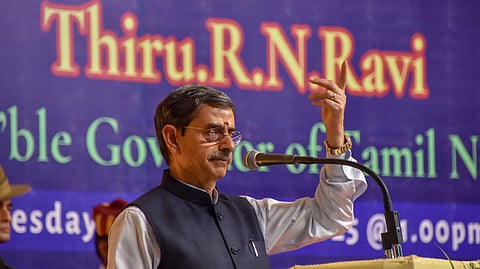
The change of guard just weeks before the end of the current West Bengal assembly’s tenure on May 7 brings the tough-talking Tamil Nadu Governor R N Ravi as Bose’s successor. It may turn out to be the most consequential of the nine gubernatorial appointments announced Thursday, in which retired diplomat Taranjit Singh Sandhu got charge as Delhi’s Lieutenant Governor, replacing Vinai Kumar Saxena, who was posted to Ladakh, which is facing unrest over statehood demands.
Ravi’s exit from Tamil Nadu may have brought a sense of relief to Chief Minister M K Stalin, with whom he was often on a collision course—from stalling assent to legislations for months, and expressing deep differences in interpreting the state’s socio-cultural moorings, to refusing to read portions of the Governor’s address in the assembly. In contrast, the Lok Bhavan in Kerala has been fairly quiet since the appointment of Rajendra Vishwanath Arlekar as Governor in January, replacing Arif Mohammed Khan, who was transferred to Bihar and dropped in the latest shuffle. With Arlekar getting additional charge of Tamil Nadu, Stalin ought to be more comfortable.
However, Mamata Banerjee didn’t get any breathing space, and regretted that she was merely informed and not consulted before Ravi’s appointment. While there is no constitutional mandate to consult chief ministers on gubernatorial picks, the Sarkaria Commission in 1988 recommended it to prevent political friction. Subsequent appointments involved an element of consultation before the process was given up. It’s time to revisit the healthy Centre-state dialogue process as it deepens cooperative federalism and showcases the confidence of the Union government. Khela should take place among political parties, not via Governors’ offices.
