
Naupada mandate marks a power shift for Majhi
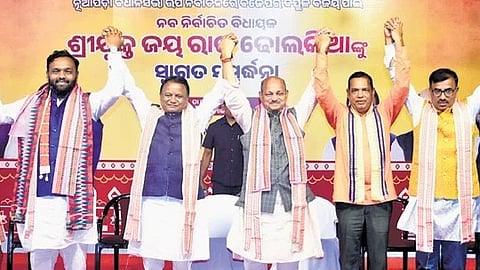
While the NDA secured a historic mandate in Bihar, the BJP notched up an emphatic victory in the Nuapada bypoll in Odisha. BJP candidate Jay Dholakia—son of legislator Rajendra Dholakia, whose untimely demise in September necessitated the election—won by a margin of over 83,000 votes.
The outcome carries layered political signals. Although Dholakia Sr was a BJD minister, Jay switched to the BJP ahead of the bypoll. In the three-way contest, the BJD—winner of three of the last four elections in Nuapada—was pushed to a distant third, while the Congress retained its second position. For Chief Minister Mohan Charan Majhi, the stakes were high: this was his first electoral test since taking office in June 2024. He moved decisively to bring Jay into the BJP fold and then led the campaign from the front, backed by senior ministers and a tightly-coordinated party machinery. The bypoll also doubled as a referendum on the 17-month-old government’s performance.
With Nuapada now in his bag, Majhi’s stock has risen considerably among BJP MLAs. His elevation as chief minister may have appeared incidental at first, but this victory strengthens his authority and gives him greater latitude in administrative and political decision-making. Since the start of the year, both the government and the party had been under pressure over rising crimes against women, persistent law and order concerns, and complaints of administrative drift. The long-delayed cabinet reshuffle—amid evident imbalance and inefficiencies among several ministers—had only fuelled the disquiet.
The Nuapada verdict changes the optics. Majhi will now be expected to act with greater assertiveness. Known as a hard-working leader who has stayed grounded despite growing popularity, he faces a crucial year ahead: stabilising governance, tightening delivery systems, and readying the organisation for the pivotal panchayat polls. Those polls, in turn, will shape the road to 2029. The mandate in Nuapada also signals shifts in Odisha’s political landscape, underscoring that voter expectations around governance and party cohesion will weigh on players in the months ahead.