
A multi-agency study by Indian researchers published in Nature has found high levels of radioactive uranium-238 in breast-milk samples in Bihar. This alarming finding comes on the heels of earlier studies that found high levels of uranium concentrations in groundwater and soil in 151 districts across India. The recent study was conducted on samples from 40 lactating women from six Bihar districts. It found that all the samples had significant uranium-238 traces ranging up to 6 micrograms per litre. Unfortunately, while the World Health Organization has set 30 µg/L as the permissible limit for uranium in drinking water, there is no such safe limit specified for breast-milk, the primary source of nourishment for newborns that provides essential nutrients and antibodies to support their growth. The earlier study had found high uranium concentrations in groundwater across 18 states—a serious concern considering the overdependence on groundwater for drinking and irrigation purposes, rendering the exposed populations including infants vulnerable to severe health implications.
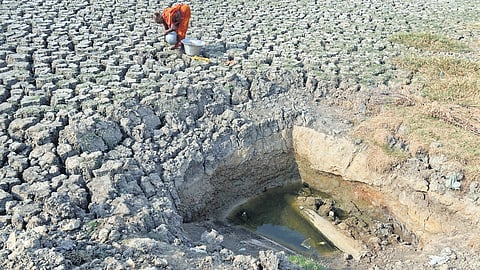
Uranium enters groundwater through natural processes and human activities like mining, burning coal and fuel, emissions from the nuclear industry, and use of phosphate fertilisers containing uranium. Besides, excessive digging of bore wells and pumping of groundwater can accelerate the dissolution of the solid mineral in the groundwater and increase its concentration. Earlier studies had also reported elevated groundwater uranium levels in Andhra Pradesh, Bihar, Chhattisgarh, Haryana, Jammu & Kashmir, Jharkhand, Himachal Pradesh, Karnataka, Kerala, Punjab, Rajasthan, Uttar Pradesh, and West Bengal.
Uranium ingested through breast-milk enters the infant’s cellular environment to damage or kill living cells. It has the ability to cross the blood-brain barrier of infants, as well as the placental barrier in foetuses, adversely impairing neurological function and foetal development. It can severely affect infants’ vital organs, especially kidneys; cause cancers in later life; and present neurodevelopment risks like delayed cognitive development, impaired motor skills, and reduced intelligence quotient, besides disrupting the immune system development rendering them vulnerable to infections and autoimmune conditions. A country nursing dreams of being developed by 2047 needs to respond to the experts’ alerts with curative and preventive measures on an issue that can severely compromise those dreams.
