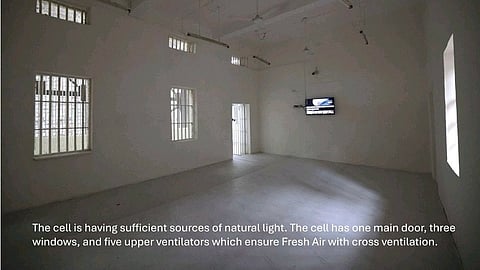

India's recent affidavit before a Belgian court, outlining the facilities awaiting fugitive businessman Mehul Choksi at Mumbai’s Arthur Road Jail, underscores how detention conditions now shape international extradition decisions. The document described a well-ventilated and monitored cell with natural light, fans, and an attached toilet—features intended to assure that Choksi would be kept in humane conditions if extradited. Such assurances are not new. In July, a British Crown Prosecution Service team inspected Delhi’s Tihar Jail in light of concerns raised by their courts. The team interacted with inmates to verify that the jail could house individuals like Vijay Mallya or Nirav Modi in a secure, livable environment—a reflection of how such concerns have repeatedly delayed or complicated high-profile extraditions.
Ironically, countries that demand such guarantees have their own challenges. Belgium, for one, has been criticised for severe overcrowding. An investigative report in the New Lines Magazine this year found that cells meant for one often hold three or four inmates, who sleep on the floor and share a toilet. Prison reform groups note that Belgium has repeatedly failed to provide the minimum of 4 sq m of space per prisoner.
However, it’s also undeniable that India’s prisons remain under severe strain. Overcrowded cells, unhygienic conditions, and scarce medical care continue to shape daily life for most inmates. Nearly three-fourths of them are undertrials, compounding the injustice in indignity. Various committees have recommended measures to check overcrowding since 1957. Rights organisations have also repeatedly raised this concern, but with little effect. The government, while not oblivious of the reasons for systemic decay, seems more focused on ensuring that inadequate facilities do not derail future extraditions. That’s perhaps why it recently directed all states to build special cells to handle “Choksi-like” situations.
If anything, India should study the basic living standards in select foreign prisons and improve the domestic conditions. The jails that are there are almost impossible to expand. The way forward is to develop new, well-planned prison complexes outside cities—like the Mandoli Complex, which is decongesting Tihar Jail—with facilities that meet humane standards not only for those whose cases attract global attention, but for every inmate. A justice system earns credibility not through exceptional promises to foreign courts, but through the everyday preservation of dignity behind every locked door.
