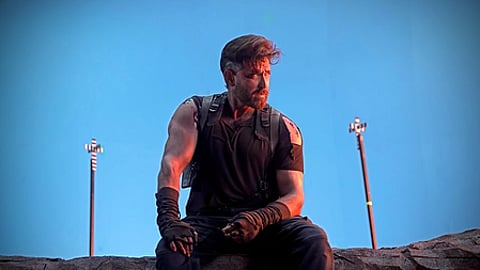

NEW DELHI: The Delhi HC on Wednesday granted interim protection to the personality and publicity rights of Bollywood actor Hrithik Roshan and singer Kumar Sanu, directing the removal of objectionable social media content targeting them.
Justice Manmeet Pritam Singh Arora clarified in Hrithik Roshan’s case that no ex-parte directions would be issued at the interim stage regarding the removal of certain fan pages, and a formal order will be passed after the parties are heard. The matter has been listed for further hearing on March 27, 2026, with the court noting that a detailed interim injunction order will follow. Roshan had filed a plea seeking protection of his personality rights and requesting that online platforms be restrained from misusing his name, image, and AI-generated inappropriate content.
In the case of Kumar Sanu, Justice Arora orally stated that a detailed interim injunction would be passed to safeguard the singer’s rights and direct the take-down of offending material. Sanu’s plea sought protection of his personality and publicity rights, including his name, voice, vocal style and technique, vocal arrangements and interpretations, mannerisms and manner of singing, images, caricatures, photographs, likeness, and signature. The suit also sought to restrain unauthorised or unlicensed use and commercial exploitation likely to create public confusion or deception, or dilute his persona.
The court noted that four profiles on Facebook and Instagram mentioned in Sanu’s plea and the 334 URLs provided had become unavailable. Filed through advocates Shikha Sachdeva and Sana Raees Khan, the suit also alleged violation of Sanu’s moral rights in his performances under the Copyright Act. Sanu is aggrieved by various GIFs, audio and video recordings of his performances that bring disrepute and subject him to “unsavoury humour,” including content generated using artificial intelligence to clone his voice, style, and manner of singing, as well as morphing his face and creating merchandise.
“Such merchandise and audios/videos of the plaintiff generate revenue for the defendants, as they are uploaded and streamed on social networking websites, including but not limited to Facebook, Instagram and YouTube, which generate revenue based on the number of clicks or views to a particular image/video,” the plea said.
