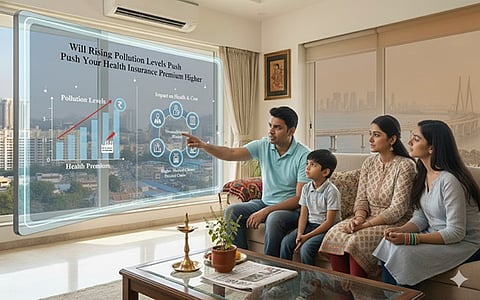

India’s air quality challenge is no longer a seasonal concern. It is a persistent public health issue that touches families, cities and insurers alike. As claims linked to respiratory and cardiac illnesses rise, insurers are reworking risk models. This is why many consumers now ask whether pollution will show up in their Health Insurance pricing and benefits. The short answer is that rising pollution can influence premiums over time, and it can be even more relevant for senior citizen health insurance in high‑pollution zones.
Air pollution adds a steady stream of acute and chronic illness. It raises both the frequency of hospital visits and the severity of episodes, especially during prolonged smog periods. For insurers, that translates into more claims and higher payouts. Over time, such trends can lead to pricier Health Insurance for certain geographies and risk cohorts.
- India ranked among the world’s most polluted countries in 2023, with an annual PM2.5 average of about 54.4 µg/m³. Delhi remained the most polluted capital with an annual PM2.5 of around 92.6 µg/m³, and 83 of the world’s 100 most polluted cities were in India.
- The Lancet Planetary Health study with ICMR estimated 1.67 million deaths in India in 2019 attributable to air pollution and an economic loss equal to 1.36% of GDP.
- WHO highlights strong links between PM2.5 and heart disease, stroke, COPD, lung cancer and childhood asthma.
This burden is not only clinical. It feeds directly into utilisation of hospital services, long medication courses and more frequent diagnostic testing.
When PM2.5 spikes, outpatient loads and admissions for bronchitis, pneumonia, asthma and cardiac exacerbations often rise. Episodes become more complex in those with diabetes, hypertension or chronic lung disease. Claims severity increases as more patients need ICU support or longer stays. Insurers then face higher average claim amounts, which can push Health Insurance premiums upward during annual repricing cycles.
Insurers do not instantly price for each pollution spike. They observe experience over multiple policy periods and reprice for trends. Yet, their tools already allow them to reflect geography and risk mix in Health Insurance premiums.
Many insurers use zone-based pricing, dividing India into metro, urban and rest-of-India categories. Zone A, which includes metros with high costs and heavier disease incidence, often carries higher premiums than Zone B or C. Location loadings can also apply where claims experience is consistently adverse. If a city shows sustained high claim frequency linked to pollution-sensitive illnesses, insurers can load premiums for Health Insurance sold in that zone.
Medical inflation in India has stayed elevated in recent years, often quoted in double digits in employer benefits surveys. Pollution compounds this by raising utilisation in respiratory and cardiac lines. Higher frequency and higher severity together mean insurers pay more per insured life. Over time, this pushes Health Insurance pricing higher unless offset by better wellness, co-pays or deductibles.
Underwriting already captures many pollution-sensitive risks. Smokers, individuals with COPD or asthma, or those with abnormal lung function can see loadings or longer waiting periods. Some policies apply co-pays above certain ages or for treatment in costlier hospitals. These controls influence premiums and claims across standard and senior citizen health insurance portfolios.
Pollution harms seniors more than the average adult. Ageing lungs, reduced immunity and comorbidities create a higher base risk. When pollution adds to the stress, complications become more likely and more expensive to treat. This is why senior citizen health insurance needs careful plan design in polluted environments.
- Robust sum insured: In polluted cities, a base cover of Rs. 10 lakh to Rs. 25 lakh for seniors is pragmatic, given ICU and specialist costs.
- Fewer co-pays: Co-pays shift risk back to policyholders. Minimise co-pays in senior citizen health insurance if budget allows.
- Disease-wise sub-limits: Avoid low sub-limits on respiratory illness, oxygen therapy or ICU. Sub-limits can dilute real protection.
- Day-care and OPD: Frequent doctor visits and inhalation therapy can be covered if OPD riders are available at a fair price.
- Preventive check-ups: Annual check-ups and lung function tests help detect decline early. Choose plans that include these without affecting no-claim bonuses.
The market already shows signals that pollution-linked disease loads are influencing pricing in certain zones. However, the change is gradual and is often masked by broader medical inflation.
- Zone pricing differentials: Metro premiums are higher than non-metro premiums for many retail Health Insurance products. The differential can be 10% to 25% depending on the insurer and plan.
- Higher claims in winter: In North India, many insurers report a seasonal spike in respiratory claims from November to January. This influences annual pricing, though not as a stand-alone factor.
- Wellness-linked discounts: Policies increasingly reward air-quality-aware behaviours such as indoor air quality monitoring, walking goals and no smoking declarations. These programmes support better experience for both standard and senior citizen health insurance buyers.
As more real-time data flows from wearables, OPD networks and e-claims, insurers can identify pollution-sensitive users and regions more precisely. IRDAI has been encouraging innovation and use-and-file products, which gives insurers flexibility to refine risk-based pricing and wellness credits (https://irdai.gov.in). If datasets clearly tie pollution to sustained claims inflation in certain cities, city-level loadings for Health Insurance could become more common, while city-level wellness rebates could rise for those who maintain healthy scores.
Choose a sum insured that fits urban cost realities. In top metros, a serious respiratory admission with ICU can cost Rs. 1.5 lakh to Rs. 4 lakh for a week depending on complexity. A family floater of Rs. 20 lakh can be efficient for middle-income households. If premiums feel high, consider a super top-up Health Insurance with a deductible of Rs. 2 lakh to Rs. 5 lakh to protect against big-ticket events at a lower premium.
- Room rent without tight caps: Avoid low room-rent caps that cascade into proportionate deductions.
- Strong ICU cover: Check for any ICU sub-limits and ensure they are adequate.
- OPD and diagnostics cover: Respiratory illnesses need regular follow-ups and tests. OPD riders can ease the burden if priced sensibly.
- Cashless network depth: Pick insurers with strong cashless networks in your city. It reduces upfront payments and speeds approvals.
- Restoration benefits: Useful for multiple claims in a year, which can happen with recurrent respiratory episodes.
- No smoking and cessation: Smoking plus pollution multiplies risk. Many insurers load smokers in Health Insurance; quitting can remove loadings over time.
- Indoor air quality: HEPA purification can reduce indoor PM2.5. Keep filters clean to maintain efficacy.
- Vaccinations: Annual flu shots and pneumococcal vaccines lower severe infection risk in seniors. Plans that cover vaccines provide extra value, especially within senior citizen health insurance.
- Fitness and monitoring: Use wellness programmes to log steps, SpO2, and heart rate variation. Earn premium discounts or reward points where available.
Private hospital costs vary by city and hospital tier. Pollution-linked cases often involve respiratory care. Knowing realistic ranges helps you choose appropriate cover.
- ER and short admission for acute bronchitis: Rs. 20,000 to Rs. 60,000 including tests, nebulisation and 1 to 2 days of stay.
- Pneumonia with 3 to 5 days ward admission: Rs. 60,000 to Rs. 1.8 lakh depending on antibiotics, imaging, oxygen therapy and specialist visits.
- COPD or asthma exacerbation with ICU: Rs. 1.5 lakh to Rs. 4 lakh for 3 to 5 days ICU plus ward, with costs driven by ICU per-day rates, non-invasive ventilation and drugs.
- Long-term inhalers and follow-up: Rs. 1,000 to Rs. 4,000 per month for controllers and relievers, plus periodic spirometry and consultations.
These figures justify higher sums insured in metros and make a case for super top-up Health Insurance to cap catastrophic expenses.
Rising pollution is a real cost driver for India’s healthcare ecosystem, and it will continue to influence Health Insurance pricing through higher utilisation and medical inflation. While the link is gradual rather than sudden, metros already show higher premiums, stricter underwriting and differentiated benefits. Thoughtful plan selection, adequate sum insured, and wellness participation can blunt the impact today. This is especially important for senior citizen health insurance, where age and pollution combine to raise both frequency and severity of claims. If you align your Health Insurance to your city’s risk and adopt preventive habits, you can stay protected without overpaying in the years ahead.
Disclaimer: This content is part of a marketing initiative.