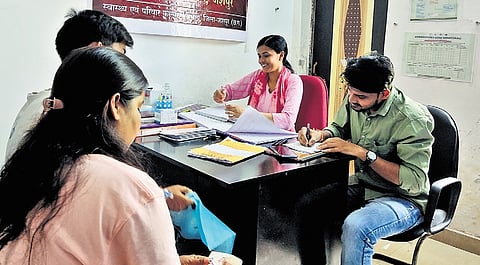

CHHATTISGARH : Sickle Cell Disease, a hereditary genetic disorder, poses numerous challenges for patients, with no absolute cure currently available. However, significant efforts have been made to develop strategies for early detection, managing complications, and alleviating symptoms.
One such notable accomplishment has been achieved in Jashpur district, located 350km northeast of Chhattisgarh’s capital. This district, predominantly home to a tribal population, has become the first in the country to achieve 100% SCD screening of its inhabitants, marking a significant milestone in curbing the genetic disease. This achievement was particularly celebrated by CMVishnu Deo Sai, as Jashpur is his home district.
SCD affects the synthesis of hemoglobin, the red blood cells that carry oxygen in the blood. In SCD, the usual disc-shaped hemoglobin takes on an abnormal, rigid sickle shape. The urgency of addressing SCD have been well met by the Jashpur administration under the National Sickle Cell Anaemia Elimination Mission.
The mission aims to enhance care for SCD patients, ensuring a better future and reducing the disease’s prevalence through comprehensive screening and awareness strategies. The disorder is particularly prevalent among India’s tribal population, with approximately one in 86 births among Scheduled Tribes affected, according to the Ministry of Tribal Affairs. In Chhattisgarh, the prevalence is estimated to be close to 12%.
Jashpur, with a tribal population constituting about 63% of its 900,000 residents, has significantly burdened Particularly Vulnerable Tribal Groups with SCD. Achieving 100% screening of the targeted population required meticulous planning and coordinated efforts.
“Initially, we began with all age groups but later restricted it to those under 40, following the Mission’s directive. The focus now shifts to counseling and managing the SCD cases,” said Jashpur collector Dr. Ravi Mittal, who is also a qualified doctor (MBBS).
The pioneering initiative to minimise and eventually eliminate SCD in Jashpur progressed through a step-by-step action plan. Confirmatory screening for Sickle Cell was followed by counseling to prevent marriages between those with the trait or disease. This ambitious project involved extensive community engagement, capacity building, technology integration, and rigorous monitoring to ensure early detection.
“Besides generating awareness, the sickle cell coordinators ensure strict follow-up and proper treatment compliance of registered SCD patients. They also facilitate counseling and provide a peer support group for mutual learning,” said Dr. Mittal, a 2016-batch IAS officer.
In Jashpur, 731,436 people registered under the initiative, with 729,940 individuals screened. Among them, 723,424 were found to be SCD negative, 5,869 had SCD traits, and 504 were diagnosed as positive. Regular follow-ups, counseling sessions, adequate medication, and food supplements are provided to manage the disease. A young SCD patient, Vishnu Ram, shared how the initiative transformed his approach to treatment. “Now, counseling and guidance by experts have yielded very encouraging results. Having achieved a state of wellness, I feel optimistic about overcoming this disease,” he said.
A grateful mother narrated how her son, Kalinga Khalko, who previously required regular blood transfusions due to congenital SCD, now appears as lively as any other child his age. “Enrolling in the treatment schedule and getting SCD screening with the prescribed medication has shown healthy signs of recovery,” she said.

Jashpur’s initiative was implemented in two distinct phases. Phase 1 focused on achieving universal screening for SCD detection, involving specially trained staff and standardized procedures for registration, testing, and result issuance. A dedicated Sickle Cell App was introduced for efficient data management and real-time monitoring. Local authorities, in collaboration with social workers, conducted educational sessions in the local dialect to enhance community engagement.
Phase 2 emphasized integrated care, creating support groups, and ensuring regular treatment and counseling for SCD patients. The district administration, in association with UNICEF, NGO Sangwari, and Salveo Therapeutics, worked tirelessly to ensure diagnostic and medication availability and promote behavioral changes through regular monitoring and quarterly reviews. This initiative, with its positive outcomes, presents a viable model for other districts due to its adaptable framework, collaborative approach, and evidence-based interventions.