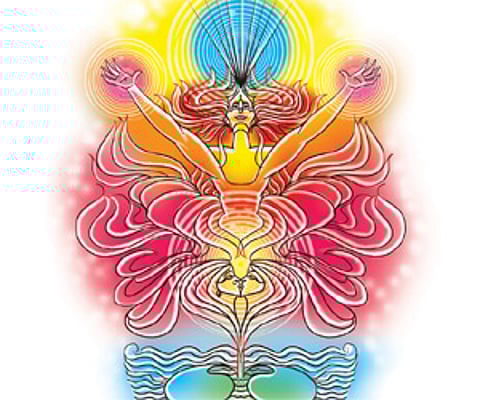

The fourth yama, which follows ahimsa, satya and asteya is brahmacharya. This term is widely and for a long number of years, misunderstood to mean sexual abstinence. Definitely when we say animals and plants are living in tune with nature, we do not expect them to abstain from sex, even if it is instinctual many times. No statement can be true if it goes against nature’s truth. The yamas speak of Sarvabhauma Mahavratam — an austere state of mind that needs to prevail across nations, communities, time and space.
Since this is the key to observing the yamas, brahmacharya has nothing to do with sexual abstinence. It is impossible to impose such rules of conduct on countries, which do not have the same written or unwritten rules when it comes to sex and marriage. There are many countries where sexual relationships are not bound by marriage. There is polygamy and polyandry in many countries and what is wrong in one place need not be immoral in another. Definitely, the yoga sutras rise above such differences and controversies when it comes to brahmacharya. Many texts and explanations describe brahmacharya as abstinence from sex, chastity and moderation. And that it’s a means for converting physical energy of ojas into spiritual force by not wasting sexual force.
Very rarely is the right meaning of brahmacharya ever spoken about. Brahman or consciousness is the truth of one’s being. Charya is from chara to move or walk in the direction of the brahman. Where is this brahman? It is the same as asking where is the sky? It is as good as the fish swimming in the ocean searching with a hope to find the ocean someday!
If brahmacharya is a 24/7 activity like other yamas, it is surely not about abstaining from sex. It is achieving that state of mind where one walks the path of the brahman all the time. It is that frame of mind where anything that one thinks, sees, hears, smells, touches or tastes — there is just the brahman and nothing else.
Brahmacharya is the first of the four ashramas or stages of life devised by the ancient rishis. It is followed by grihastha or the householder, vanaprastha or the forest hermit and sanyasa — the one who has renounced the life of the world to live in meditation. During the period of brahmacharya, there is high energy and it is channelised during the gurukulavasa or living in the teacher’s house to learn the Vedas, Upanishads and other shastras.
If one makes the maximum of the learning period by focusing on the truth and nothing else, then there is a great gain through accumulation of spiritual energy, says Patanjali. This energy, called ojas, is accumulated not just by sexual abstinence but by doing every activity, speaking every word or thinking every thought in remembrance that the one supreme truth connects us all and exists beyond all that we can hardly think about.
— swahilya.soulmate@gmail.com
a time for yourself
1. When you wake up in the morning and look into the
mirror, what are you thinking? Try to experience
the empty space that supports your thoughts.
2. While having your breakfast, lunch or dinner or
sipping coffee or drinking water, bring your mind to
that present moment and cultivate the habit of
experiencing your food and drink totally.
3. Take a short break in between your working hours
for a little introspection about how your state of
mind is. The effect can be relaxing and strengthening too.