
There is one particular nutrient of which we require only five grams in an entire lifetime, yet many people fall short on this count and suffer grave consequences. I am talking about iodine; getting adequate amounts of this nutrient continues to be a major problem.
In an attempt to focus attention on this public health issue and improve awareness around it, October 21 is marked as the Global Iodine Deficiency Day.
The global iodine deficiency can play havoc with human health. I am sure that you have come across instances of swelling around the neck area.
This condition is called goitre and it is caused by iodine deficiency. Besides goitre formation, there are many other things that can go wrong if the diet is low on iodine. With low iodine levels in the body, one runs the risk of increased infant mortality and congenital abnormalities.
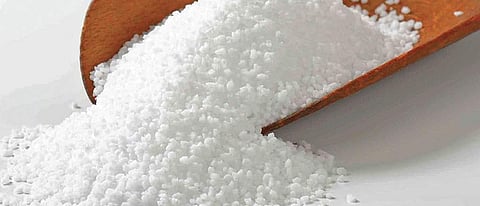
Apart from physiological issues, iodine also causes mental disabilities. These were the reasons because of which the salt fortification with iodine programme was born. Iodised salt can safely be called a lifesaver.
We require only 150 micrograms per day of iodine. This amount is miniscule in terms of quantity, yet difficult to fulfil. This challenge arises because of two reasons. The rich sources of iodine originate from the sea. Sea fish and seaweeds are the top sources of the mineral.
Evidently, such sources are not easily accessible to everyone because of geographical and cultural constraints. Secondly, lack of iodine occurs due to an ecological issue that we are facing around the globe. The depleting forest cover because of growing human activity speeds up soil erosion, which leads to the loss of iodine from the top soil.
This is why iodine deficiency is appropriately called a disease of the soil. Plants growing on this soil and animals grazing on this land will have a low intake of iodine. When crops grown in this soil are consumed by humans, they, too, will be deficient in iodine. This is yet another reason to think about sustainable development.
Combating the problem of iodine deficiency has been no mean task. Salt was purposely chosen as the medium for iodine fortification due to its universal consumption.
It is interesting to note is that in the times that we are living in today, many different kinds of salts are becoming popular based on their health appeal. The Himalayan pink salt is one such example. While it is acceptable to dabble in the sendha namak or rock salt every once in a while, we must understand that iodised salt is an essential component of our diet and the only kind that is fit for regular consumption.
There is good reason why the Food Safety and Standards Authority of India (FSSAI) restricts the sale of non-iodised common salt for human consumption.