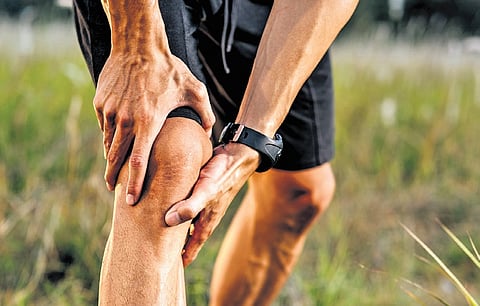

Joints undergo maximum wear and tear as one ages. The Sandhi as mentioned in Ayurveda is the term denoting the joint. It is made of asthi and majja with other structures like snayu, kandara, sira, giving it strength to perform its duty of various movements. As one ages , the vata dosha increases, bringing in deprivation of kapha causing trouble to the joints in the form of cracking sounds, pain etc.
Taking care of one’s joints on a routine basis must be prioritised especially when one crosses the age of 40. The knee joint, lower back, hip, neck and elbow are the most common ones that would be affected by wear and tear . Increased body weight massively adds to the strain put on the joint which needs to be prevented and worked upon.
Systemic disorders
Joint pains can be a part of systemic disorders coming under the spectrum of various arthritis like rheumatoid, seronegative, and lupus. Generally, it comes with feeling feverish, having muscle and body fatigue and pain in the small joints etc. Ayurveda looks at these conditions in the spectrum of three major diseases, “vataraktha”, “aamavata”, and “vata vyadhi”. Every case is examined and analysed with respect to the cause, clinical manifestation, aggravating and relieving factors, etc to come to a diagnostic conclusion. Systemic arthritis has to be managed medically.
Role of abhyanga
In general, abhyanga, which is the massage with a prescribed medicated oil suitable to the individual can be the best companion for joint care. Applying oil in the joints and massaging for 15-20 minutes and washing off with hot water helps reduce stiffness, mild inflammation, thereby reducing pain. However, not all are indicted for abhyanga, especially those who have a kapha, a dominant condition like fever, tenderness in joints, etc. If done wrongly, it can lead to negative results.
Role of panchakarma
Among the panchakarma, there are vasthy (therapeutic enema) which have special affinity to the asthi dhathu (the bone tissue) which would prevent degeneration of the bones. Vasthy is practiced widely in managing joint pains and degeneration of joints by maintaining the lubrication of joints. Also, periodical practice of virechana, the therapeutic purgation helps to prevent inflammation in the joints. There are many other procedures, like patrapotala sweda, jambeerapinda sweda, shastika pinda sweda , which are done for different clinical conditions.
Preventive protocols
Following preventive protocols in one's middle age can ensure a better quality of life in old age. Sparing 10-12 days a year to get rejuvenated helps a lot in maintaining our health.
Rasayana and internal medications
Rasayana is done after purification. It is usually practiced by giving special preparations like amalaka rasayana, chyavna prasha rasayan in specific dosage following pathya ahara, a specific diet that would help regenerate the dead tissue giving better resilience to the existing tissues.
There are kashyas, arishtas, etc that are given internally to prevent joint degeneration. Panchathikthaka kashya, rasnadi kashya, maha rasnadi kashaya are a few which are prescribed after individual consultation.
Let us utilise the potential of Ayurveda to have strong joints so that our movements are never restricted.
The author is a Professor at the Department of Panchakarma, Ashtamgam Ayurveda Medical College, Kerala
