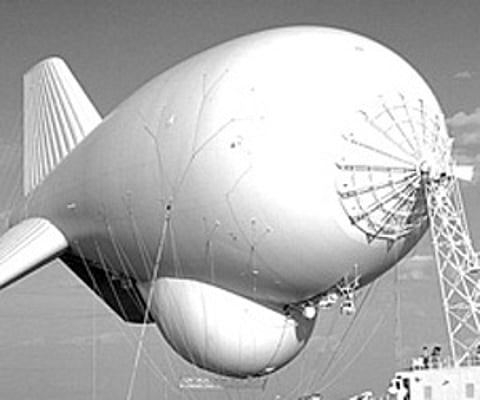

NEWDELHI: The Comptroller and Auditor General (CAG) on Thursday punched holes into the two Israeli aerostat radars purchased by the IAF. One of them was non-operational due to inadequate manpower to operate it and both had prematurely decaying fabric.
The aerostat radars purchased from Israeli firm Rafael at a cost of Rs 338 crore each are balloons filled with helium gas and are tethered to the ground. The radars, inducted into service in 2007 and 2008, are expected to be operating at an altitude of approximately 15,000 feet above the sea level and can detect a low flying fighter jet from a distance of 250 km.
However, the CAG report said that the radar positioned on the western border was damaged in 2009 as ‘standard operating procedures’ of monitoring the weather were not followed while bringing it down. Now the repair expenditure for the system is estimated to be around Rs 302 crore.
“The vital surveillance system procured at a cost of Rs 338 crore remained non-operational since May 2009 and is not likely to be available to the IAF for another two years due to its damage in accident attributable to failure in keeping track of weather change.
“The case shows improper planning and unprofessional approach on the part of the IAF for optimal utilisation of a system that was procured at a huge cost,” the report said. By the time the radar will be operational by 2012, 80 percent of its life span of 10 years would be over and also the operational preparedness of the force will be impacted adversely.
Based on its inquiry, the IAF has held three officers responsible for their ‘failure in adequate supervision’ of bringing down the radars and follow up on maintenance activities.
The CAG audit found that the other system’s fabric had also started decaying prematurely causing excessive leakage of helium resulting in extra expenditure on operation cost. It has been revealed that the fabric of the damaged aerostat had started showing signs of decay after the third year of its inflation whereas the second radar started decaying in the fourth year.
“The Helium leakage has increased from 30 lbs/day to 140 lbs/day due to the development of cracks in fabric. The flight duration of the balloon in air ranged from 3 to 24 days as against the prescribed 28 days per month. The average height also remained less than 10,000 feet as against the desired altitude level of 15,000 feet,” the CAG said. Because of the leakage, the IAF was forced to incur an extra expenditure of `1 crore annually on the procurement of helium gas.
The CAG also nailed the Defence Ministry for not entering into a contract with Rafael to deal with decay in fabric and leakages. “The absence of such an agreement adversely affected the repair of the aerostat balloon,” the CAG said.