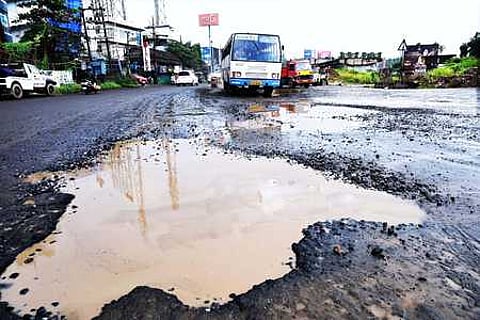

NEW DELHI: The torrential downpour is throwing road traffic out of gear. Reports of stodgy gridlocked vehicular movements have been hitting the headlines countrywide. Waterlogging, choked drains, flash floods, and cratered roads slow traffic to a standstill. Yet, the misery of congestion pales in comparison to the deeper menace: the rain does not just delay—it kills.
Official data from the Ministry of Road Transport and Highways (MoRTH) reveals a grim picture. Pothole-related crashes, a category tracked separately in the annual Road Accidents in India reports, have claimed thousands of lives in the past decade. In 2017 alone, 9,423 such accidents left 3,597 people dead and over 25,000 injured.
Though the numbers dipped in 2018, the following years saw fluctuations rather than lasting improvements. The pandemic year 2020 brought a temporary decline, with reduced traffic translating into fewer crashes, but the respite was short-lived. By 2023, pothole-related deaths had surged again, with 2,161 lives lost in 4,446 accidents. The persistence of these numbers underscores a failure to fix one of the most basic responsibilities of road governance.
Beyond potholes, the impact of monsoons on road safety becomes stark when accidents are disaggregated by weather conditions. Rainy-day crashes are a telling proxy for the dangers posed by inadequate road infrastructure during storms. In 2023 alone, 13,734 people were killed in road accidents on rainy days, with a further 18,193 suffering grievous injuries and 17,909 sustaining minor wounds. Uttar Pradesh stands out accounting for nearly a quarter of these deaths—3,387 lives cut short, alongside thousands more seriously injured. Its population and heavy traffic partly explain the scale, but the figures also reflect glaring infrastructural, regulatory gaps.

Madhya Pradesh (1,661 deaths) and Bihar (1,311 deaths) also bear heavy tolls, while Kerala presents a contrasting pattern. Though it recorded 493 deaths—lower than several other large states—it reported the highest number of grievous injuries in the country at 3,054. This suggests that while more lives are being saved, survivors often endure life-altering harm. Karnataka shows a similar imbalance: 744 deaths but a staggering 2,723 grievous injuries, pointing to the human cost of surviving a crash. Maharashtra, Odisha, and Delhi also feature prominently in the casualty charts, with the capital’s 148 rainy-day deaths alarming for a city-state.
At the other end of the scale, smaller states/UTs report far fewer fatalities, though their figures still remind us that no region is untouched. For example, Delhi’s relatively low number of grievous injuries (55) contrasts sharply with its 739 minor injuries, hinting at different crash dynamics in an urban environment.
These numbers are not merely statistics—they represent families shattered, futures rewritten and lives lost.
Lives lost
Pothole-related crashes, a category tracked in the annual Road Accidents in India reports, have claimed thousands of lives in past decade