
NEW DELHI: The Centre on Thursday said that of the more than 4.7 crore eligible beneficiaries for Take-Home Ration (THR) under Anganwadi services, 4.51 crore (over 91%) have completed their eKYC and face-matching process.
As of December 31, 2025, 2.79 crore beneficiaries, or 52.68%, have already received THR using the Facial Recognition System (FRS).
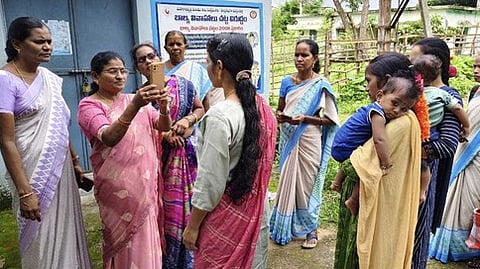
The Women and Child Development Ministry introduced FRS to ensure last-mile tracking of THR distribution at Anganwadi centres.
The system verifies beneficiaries using Aadhaar-based facial authentication through eKYC. The FRS module has been integrated into the Poshan Tracker App, which is used by Anganwadi workers for routine activities, eliminating the need for any separate application.
The ministry said that out of approximately 4.73 crore eligible THR beneficiaries, 4.51 crore (91.38%) had completed eKYC and were awaiting face matching as of December 31, 2025.
The Centre made the use of FRS mandatory for take-home ration distribution and child attendance monitoring at nearly 2 lakh Anganwadi centres from July 1, 2025, through the Poshan Tracker App. From August 1, 2025, FRS-based registration of all beneficiaries was made mandatory.
The FRS module was initially implemented as a pilot project in August 2024.
The initiative aims to ensure that benefits reach only genuine beneficiaries while eliminating leakages and duplication in the system.
Eligible beneficiaries include pregnant and lactating women, children from birth to six years, and adolescent girls aged 14 to 18 years. For children under five years of age, Aadhaar is issued without biometrics; therefore, FRS and eKYC are carried out using the Aadhaar details of the mother, father or guardian.
According to the ministry, FRS empowers beneficiaries to receive their rightful entitlements while holding field functionaries accountable.
The system requires the physical presence of beneficiaries during distribution at Anganwadi centres, encouraging greater interaction with Anganwadi workers and promoting improved health-seeking behaviour. It also helps eliminate leakages and duplication, ensuring that benefits are delivered only to intended beneficiaries registered on the Poshan Tracker.