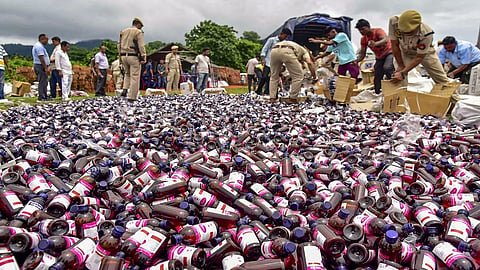

The recent spate of child deaths in India from contaminated cough syrups starkly exposes a grave systemic failure in the nation’s pharmaceutical regulation. In early October 2025, at least twenty-four children in Madhya Pradesh’s Chhindwara district died of acute kidney failure after consuming Coldrif syrup—a medicine prescribed for the common cold. Three more fatalities in Rajasthan’s Sikar and Bharatpur districts, linked to another dextromethorphan-based syrup from Kaysons Pharma, brought the toll to twenty-seven.
Most victims, all under five, showed symptoms of diethylene glycol (DEG) poisoning—vomiting, abdominal pain and inability to urinate. On October 13, the World Health Organization (WHO) confirmed DEG levels as high as 48.6 percent in Coldrif batches, exposing a criminal disregard for human life.
In legitimate formulations, safe solvents such as propylene glycol or glycerin dissolve active ingredients. Unscrupulous manufacturers, however, replace these with cheaper, toxic DEG or ethylene glycol to cut costs. Once ingested, these chemicals destroy the kidneys and nervous system, and are often fatal to children.
This tragedy repeats a grim pattern, mocking India’s image as the ‘pharmacy of the world’. In 2022, Indian-made syrups contaminated with DEG killed 66 children in The Gambia and eighteen in Uzbekistan. Similar poisonings in Indonesia and Cameroon, linked to firms such as Maiden Pharmaceuticals and Marion Biotech, claimed hundreds of lives. Under global pressure, India tightened export scrutiny. Yet, its domestic market remains a regulatory Wild West where untested potions circulate freely. The double standard is unconscionable. Exports are policed, while poor Indians relying on cheap generics remain unprotected.
India’s top drug regulator, Central Drugs Standard Control Organisation (CDSCO), has failed its mandate. Tasked with overseeing a $50 billion industry, it remains consistently understaffed, underfunded and compromised. Nationwide inspections began only after the October deaths. At Tamil Nadu’s Sresan Pharmaceuticals, investigators found abandoned premises, falsified records, and no evidence of batch testing. Two inspectors were suspended, scapegoats in a corrupt system. WHO and UN experts call the contamination criminal.
The role of prescribing doctors exposes the policy vacuum. In Madhya Pradesh, Dr Praveen Soni was arrested for prescribing Coldrif and admitting to receiving commissions from the firm. This is a common practice that rewards overprescription, regardless of safety. Rajasthan authorities suspended a state drug controller and pharmacist. This shows how healthcare workers become complicit in this chain of death. Though the health ministry has long advised against the use of cough syrups for children under two, enforcement is nonexistent. The 2021 online national drug licencing system has failed to curb adulteration. CDSCO’s pharmacovigilance network remains underused and overwhelmed.
India’s fragmented regulatory structure worsens the crisis. State drug controllers handle licencing and inspections, which leads to inconsistent enforcement. Tamil Nadu swiftly shut down Sresan and cancelled its licences. In contrast, Gujarat merely recalled other syrups without arrests. Such disparities allow rogue firms to exploit loopholes. The Drugs and Cosmetics Act, 1940, still imposes paltry penalties—fines as low as ₹1 lakh for adulteration, which is trivial beside profits. Sresan’s owner, G Ranganathan, faces manslaughter charges. Yet, India’s record of delayed trials offers little hope.
The government’s response has been predictably sluggish. Bans on Coldrif began in Madhya Pradesh on October 2. They spread nationwide by October 11— after the deaths had mounted. CDSCO’s call for ‘strict quality compliance’ rings hollow, given its failure to enforce WHOmandated ‘good manufacturing practices’. Rajasthan formed an expert committee, and the Indian Council of Medical Research joined a multidisciplinary probe. However, these steps are post-hoc rituals. The US Food and Drug Administration and the American embassy confirmed no exports reached US markets. This is cold comfort to Indian families. WHO’s offer of investigative support was met with bureaucratic defensiveness.
This crisis stems from a deeper policy malaise: neoliberal deregulation that prizes industrial growth over oversight. India’s pharmaceutical boom has come at a staggering human cost. In the last ninety years, more than 1,300 deaths worldwide from DEG-tainted syrups trace back to profit-driven adulteration. Whistleblower Dinesh Thakur has noted that weak laws and a lack of accountability allow perpetrators to thrive.
Preventing future tragedies requires directly confronting the central problem: India’s regulatory and enforcement failures put vulnerable populations at risk for the sake of industrial growth. To address this, the CDSCO must be empowered with independent funding, a stronger inspectorate and transparent governance. Each batch of medicine should carry a verifiable quality certificate from accredited labs. Penalties for adulteration must be meaningful: negligent firms should be blacklisted and prosecuted. Doctors’ commissions must be disclosed, paediatric guidelines must be enforced and whistleblowers must be protected. Responsibility for the deaths of the 27 children is shared by negligent manufacturers and policymakers. The time for excuses ended with the first child’s grave. Only through systemic accountability and strong oversight can India’s pharmaceutical success avoid becoming a moral failure.
Amal Chandra | Author, policy analyst and columnist
Ayemen Fatima | Clinical pharmacist
(Views are personal)
