
VISHAKHAPATNAM: The water bodies in Visakhapatnam, which have been suffering a significant degradation due to the accumulation of silt, unplanned urbanisation, encroachment, and sewage disposal, are about to be revived to their former glory.
The condition of these water bodies is further exacerbated and their existence is threatened by conversion into plots, illegal fencing, inadequate bund strengthening, decline of groundwater, insufficient community participation and lack of administrative framework.
Additionally, land reclamation for development and construction has further reduced the size of water bodies, and altered their natural flow patterns.
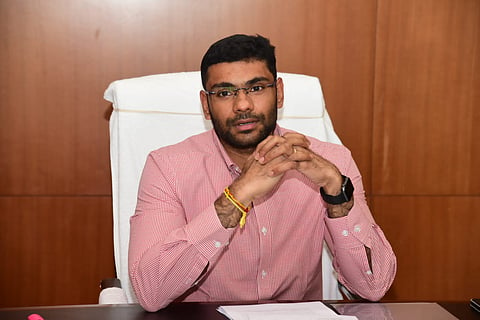
To improve the current conditions, the Visakhapatnam Metropolitan Region Development Authority (VMRDA) and the Greater Visakhapatnam Municipal Corporation (GVMC) have joined forces to rejuvenate over 500 water bodies in the region. Thanks to the attention of VMRDA Commissioner KS Viswanathan, who announced the revival of the water bodies just a week after taking charge, these water bodies are set for a positive transformation driven by scientific research rather than mere formalities.
Viswanathan highlighted the need to protect these water bodies to prevent inundation and support the local ecosystem. These water bodies, which are set for various forms of revival, are protected from encroachments and will be desilted, cleaned, inflow and outflow channels restored.
The revival of these water bodies are crucial for the prevention of inundation as well as to support the bird populations, including migratory birds, which have declined in recent years.
The VMRDA Commissioner emphasised that the project aims to revive these water bodies using scientific methods, seeking expertise from experts and existing NGOs, such as the Dhan Foundation, which have extensive knowledge of the region's water bodies.
The VMRDA and GVMC will collaborate to restore these water bodies, with each agency taking responsibility for reviving a portion of them. The project's objective is to bring life back to these water bodies, support the local ecosystem, and prevent floods like those in the metropolitan cities.
