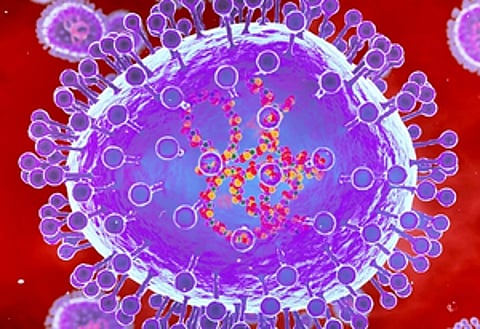

VIJAYAWADA: In response to rising concerns about the spread of Human Metapneumovirus (HMPV) after the detection of a few cases in Karnataka, Tamil Nadu and Gujarat, the State government has geared up to fight the virus.
Though no HMPV cases have been reported in the State, Chief Minister N Chandrababu Naidu convened a review meeting with officials of the Health, Medical and Family Welfare Department on Monday. He directed them to raise public awareness, and ensure preparedness for any eventuality.
Following the Chief Minister’s directive, Health Minister Y Satya Kumar Yadav and Special Chief Secretary MT Krishna Babu have stepped efforts to combat HMPV. Health authorities have been instructed to procure symptomatic drugs, oxygen concentrators and oxygen cylinders as part of readiness measures.
Director of Public Health K Padmavathi held a virtual meeting on Tuesday with PHC officials, DM&HOs, and programme officers to educate the public on precautionary steps need to be taken to protect themselves from HMPV. Krishna Babu directed the Director of Medical Education to set up 20-bed special wards in government hospitals to treat potential cases, and the hospital authorities have also started arranging special wards .
A five-member specialist committee has been formed to prepare Standard Operating Procedures (SOPs) and oversee virus management. Ten Viral Research and Diagnostic Laboratories (VRDLs) across the State have been placed on high alert. However, shortage of uniplex, duplex and multiplex testing kits is said to be a concern.
Dr Padmavathi confirmed to TNIE that no HMPV cases have been detected in Andhra Pradesh so far, and people need not to worry. Testing kits need to be imported from Germany, and the DME has filed an indent to expedite their arrival, which are expected within a week. Each kit can conduct 96 tests and 10 kits will be distributed to each lab and two kept as a buffer stock.
The DME and Andhra Pradesh Vaidya Vidhana Parishad (APVVP) have been directed to review the condition of oxygen plants and conduct mock drills.
HMPV symptoms resemble the flu, including fever, cough, cold, stuffy or runny nose, sore throat, and shortness of breath. In severe cases, the virus can lead to respiratory complications such as pneumonia and bronchitis, posing risks to young children, the elderly, and individuals with chronic illnesses or weakened immune systems.
Dr Padmavathi advised that symptomatic relief can often be achieved by taking prescribed drugs for two to three days. However, respiratory problems warrant immediate medical attention.
She explained the importance of preventive measures, including frequent handwashing with soap and water for at least 20 seconds, and covering the mouth and nose with a tissue when coughing or sneezing.
These precautions mirror those recommended during the COVID-19 pandemic.
