
VISAKHAPATNAM: A detailed review by the Wildlife Institute of India (WII) has highlighted the need for scientific, infrastructure-based and community-driven measures to improve the ecological management of Andhra Pradesh’s wildlife sanctuaries. The recommendations are part of the Management Effectiveness Evaluation (MEE) of Protected Areas 2020–2025.
Despite continuous efforts by the Forest Department and frontline staff, several sanctuaries continue to face recurring challenges, including the need for updated management plans, improved monitoring, enhanced staff capacity and consistent community engagement. Seven wildlife sanctuaries were assessed in the MEE report, each presenting unique ecological contexts and management issues.
At Rollapadu Wildlife Sanctuary, which showed the highest improvement in MEE score, WII recommended expanding nest protection for the Indian Courser and addressing human-wildlife conflict linked to a growing blackbuck population. Measures such as crop protection and compensation for affected farmers were advised. Community awareness and eco-development programmes require attention.
In Sri Lankamalleswara Wildlife Sanctuary, the report suggested launching a captive breeding programme, deploying advanced patrolling tools, and increasing staff numbers. While fire and grazing threats have been controlled through regular patrolling, species-specific monitoring and long-term ecological studies were identified as gaps.
For Nellapattu Bird Sanctuary, WII acknowledged improved management but pointed to unresolved water regulation challenges. It recommended restoring feeder channels, modernising surveillance tools, and enhancing visitor interpretation facilities.
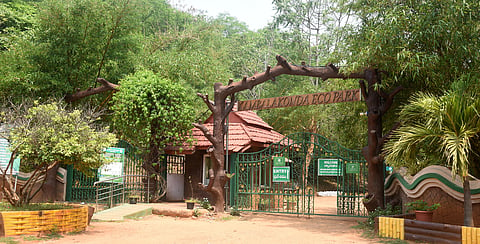
At Kolleru Wildlife Sanctuary, the report called for the immediate finalisation of a pending management plan. It advised desilting water channels to support migratory birds, resolving long-standing community displacement concerns, and promoting eco-tourism in a regulated manner. Wetland restoration efforts need to be accompanied by improved data collection and coordination with irrigation authorities. In Kambalakonda Wildlife Sanctuary, situated on the edge of Visakhapatnam, WII recognised the Forest Department’s regulation of tourism and habitat maintenance. However, it suggested additional steps such as soil and moisture conservation, removal of invasive plant species, and a thorough floral and faunal survey. The GVMC was advised to adopt landscape-based urban planning to maintain wildlife corridors. The report proposed exploring the soft release of captive-bred wild dogs into the sanctuary.
Koundinya Wildlife Sanctuary, the only elephant habitat in the state, was found to lack adequate infrastructure. WII highlighted damaged elephant-proof trenches, limited staff housing, and poor mobility in hilly terrain. It recommended reviving eco-development committees and upgrading infrastructure to support elephant conservation. Suggestions included improving internal patrolling routes, strengthening vigilance along riverine stretches etc.
