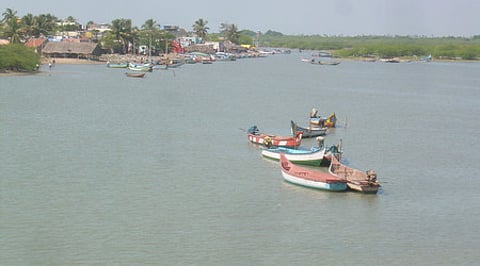

VISAKHAPATNAM: The Union Budget 2026-27 has announced the development of eco-friendly mountain and nature trails in Araku Valley, and bird-watching trails around Pulicat Lake in Andhra Pradesh. “Though it has not introduced a standalone scheme exclusively for Scheduled Tribes, several sectoral initiatives are relevant for tribal regions of the State,” opined Dr Chetti Praveen Kumar, Agro-Economic Research Centre, Andhra University, Visakhapatnam.
He stated that the Union Budget reiterates the government’s commitment to inclusive growth, identifying STs among key beneficiaries. The approach, however, focuses on integrating tribal communities into broader growth sectors rather than introducing targeted welfare programmes.
“Tourism and nature-based livelihoods are among the most significant opportunities for tribal areas.
Araku Valley, with a large ST population, depends heavily on coffee cultivation, forest produce, and handicrafts. Eco-tourism, if developed with community participation, can generate non-farm income, local employment, and support cultural preservation.
Similarly, bird-watching trails around Pulicat Lake could create livelihood opportunities through guiding services, homestays, and small enterprises, provided tribal communities are treated as key stakeholders rather than low-wage service providers,” he elaborated.
