
VIJAYAWADA: The Anti-Corruption Bureau (ACB) registered a significantly lower number of cases in 2025 compared to the previous years, raising questions over enforcement and complaint redressal mechanisms at the grassroots level.
According to official data released by Director General (DG) Atul Singh on Friday, the ACB booked only 115 cases in 2025 and 101 cases in 2024, a steep decline from 224 cases registered in 2023. The sharp fall has sparked debate over whether the reduction reflects improved governance or a weakening of anti-corruption vigilance.
The continuing low number of registrations over the past two years has raised concerns about the intensity and reach of the state’s anti-corruption drive.
However, the DG Atul Singh promised that the bureau will focus more on cracking the disproportionate assets cases and confiscation of properties belonging to the tainted officials. He also stated that the bureau would strengthen efforts to ensure government departments remain free from corruption and corrupt practices.
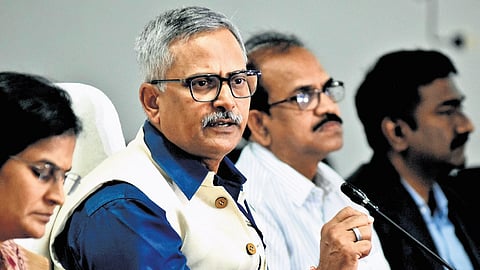
Addressing a press conference, the DG Atul Singh said that trap cases and disproportionate assets (DA) cases, which once formed a significant share of ACB enforcement, have remained considerably low in the last two years compared to earlier periods.
Admitting the fact that complaints pertaining to complaints of corruption in ground level such as VROs and other revenue officials demanding bribe less than Rs 10,000 or other smaller amount for doing official favour were ignored and forwarded to concern officials, the DG said lack of sufficient staff and time constraints resulted in less cases when compared to previous years.

“Complaints related to revenue services, local governance, welfare delivery and basic administrative clearances are reportedly not being converted into formal cases, weakening deterrence at the grassroots,” Atul acknowledged, adding that all complaints are being pursued within a time frame.
He further shared that the ACB completed trials in 36 cases during 2025. Of these, convictions were secured in 12 cases, translating into a 46 percent conviction rate. However, 14 cases ended in acquittal, raising questions about investigation quality and prosecution preparedness. Additionally, six cases were abated following the death of the accused officials, further reducing the impact of enforcement efforts.
“We are exploring all possible ways and roping experts to see the percentage of acquittals reduced and ensure completion of trial process in less than three years and tainted officers get punishment,” he explained.
The official data revealed that the Revenue department continued to top the corruption chart, with 26 trap cases out of the total 115 cases registered in 2025.
The figures reaffirm long-standing concerns about graft in land administration and revenue-related services, even amid reduced overall case registrations.
Sharing that AI tools will be used in ACB to identify the properties of accused officers pertaining to DA cases and said ACB is promoting Public Interest Disclosure & Protection of Informer (PIDPI) complaints to bring transparency in the government departments.