
In forestry changes happen subtly. In 2026, it may seem that things are the same as they were in the past five years or so. But that is no cause for complacency.
Fragmentation of habitat, increased human activity in and around forests and weeds gobbling up large areas of forests are the main reasons for it.
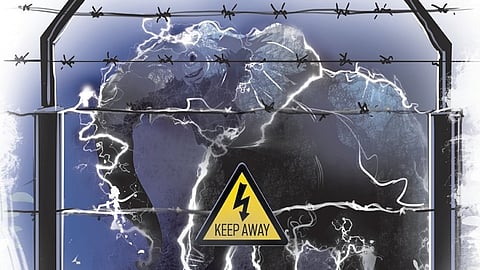
Conflict due to elephants is the most. Measures are being taken to prevent it. But elephant is blessed with brawn and brain. It finds ways to evade the measures taken. Rail barricading reduces conflict in areas where it is erected, but also results in conflicts elsewhere. Population control, particularly of the elephants outside forests in Kodagu, Hassan and Chikkamagalur districts, is called for.
Forest department has done enough preparatory work to try the immune-contraceptive measures being used in Africa. In 2026 this should be tried, at least as an experiment, in the coffee estate resident female elephants of Kodagu following technical and legal processes.
Conflicts with tiger and leopard will have to be better managed with tracking each of them, and alerting the people in their vicinity. The number of species which are in conflict is likely to increase. Farmers are becoming increasingly concerned over crop loss caused by black buck, wild pig, and peafowl. Better and faster compensation may prove to be useful here.
The previous two years have seen copious and well distributed rains. This has resulted in good growth and spread of weeds, particularly Lantana and Eupatorium. Should 2026 turn out to be a rainfall deficient year, these weeds will cause more havoc upon catching fire than earlier years.
With almost all forest fires being man made, negligence and mischief both being the cause, fire prevention will may be a major challenge. Earning goodwill of people living in and near forests may reduce cases of negligence, but, more advance warning and preparedness to douse fires will be needed than in usual years.
Combating the areas of forests getting covered every year by the weeds Lantana, Senna and the presently inconspicuous but potentially dangerous Mikania micarantha, needs to be prioritized. For the first two, technique is perfected, but funds will be required. For Mikania, research is needed as to how to get rid of it since weedicides have failed to kill it. Senna is being used by paper industry, plywood manufacturers too have shown interest in using it. An attempt can be made in 2026 to source some funds from them for uprooting it, and supply to them on concessional rates.
The demand for forest land will continue as always. In forest diversion proposals, reasoning that there are no trees in maidan areas what is the logic to oppose diversion. Attempts to encroach forest land will be there, but vigilant field staff should be able to thwart it.
The contribution of forests to the revenue of the state is minimal. That has resulted in minimal focus on it. This needs to change. Over mature old plantations (teak, red sanders etc.) and the gum of Ailanthus triphysa need to be harvested and used. Plantations were raised with public money. The intent was not to make trees rise from dust and allow it to go back to dust, when they were economically useful.
Promoting agro forestry is needed. It provides farmers with an income, mainly in bad rainfall years, and, if carbon monetization is done, substantial additional income every year will be earned. Should the forest and agriculture departments join hands, a lot is possible in this. The endeavor will result in enhancement of soil organic carbon, the depletion of which is a matter of concern for agriculture.
Getting rid of the Salvinia molesta (antargange), which is choking water bodies along the coast Udupi southwards should be a priority. It is affecting paddy fields and forest ponds both, spreading very rapidly.
