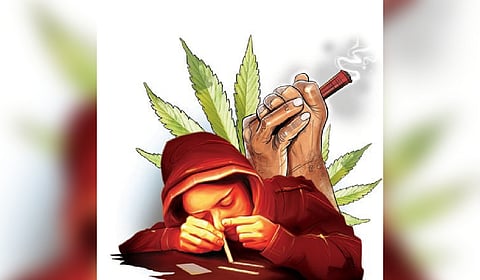

KOZHIKODE: In a powerful show of community resolve, mosque committees in Thamarassery, a usually quiet and tightly-knit region of Kozhikode district, have drawn a line: Anyone caught dealing or abusing drugs will be cast out, socially and spiritually.
The move comes as the region reels from a spate of violent crimes linked to drug abuse. Two chilling murders — one in which a young man, P Ashik, allegedly hacked his mother to death in Puthupady, and the other in which Yasir allegedly murdered his wife Shibila in Eengappuzha — were the final straw. Both crimes, police said, were rooted in drug abuse.
“This is no longer just about individual cases, it’s about protecting the very fabric of our society. We can’t allow drug culture to destroy families and community values,” said a committee member who wished to remain anonymous.
The initiative has begun gaining momentum across Thamarassery. Many mosques in the region have taken a proactive role in combating the growing drug menace. Islamic preachers, or Khateebs, have been addressing the issue during daily and Friday prayers.
“Everyday, during prayers, we hear Khateebs reminding us how addiction is tearing our youth and families apart,” said a worshipper, adding, “They are even visiting homes, speaking to families about the damage the drugs are causing.”
In 2023, the Beemapally Muslim Jamaath Committee in Thiruvananthapuram had taken an equally firm stance, banning drug offenders from the community for 10 years and imposing Rs 50,000 as fine. Even those offering legal support to the accused faced sanctions.
“Despite initial warnings, many members ignored the message. So, we had to escalate the penalties,” said M K M Niyas, the committee’s general secretary.
In 2022, the Padannakkad Ansarul Islam Jamaath Committee in Kasaragod had also cracked down on drug-related offences after noticing a resurgence of drug mafia. The committee expelled several members and announced that youths caught in drug-related crimes would be barred from marriage approval within the community and also denied post-burial rites.
In Thamarassery, locals view the mahal’s latest decision as a necessary, if sombre, intervention to protect future generations. “It is painful, but we can’t sit idle while drugs ruin our people,” said another committee member. The message is clear: The community is ready to prioritise collective well-being over individual leniency. Other mahals in the region said they too will soon be making similar announcements.