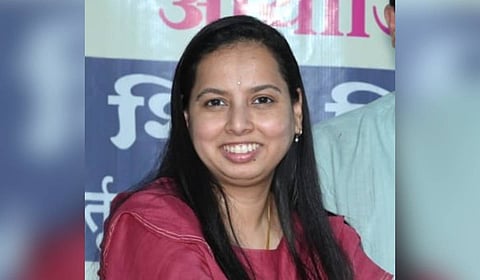

Amid a rise in sexual abuse and rape cases, Maharashtra Women and Child Development Minister Aditi Tatkare said that an existing law should not allow those convicted of serious crimes like rape and sexual assault to be released on parole.
The women and child development minister, Aditi Tatkare, made her demand to Chief Minister Devendra Fadnavis, Deputy Chief Minister Eknath Shinde, and Deputy Chief Minister Sunetra Ajit Pawar in the cabinet.
She said that by using the existing law, the people who are convicted of serious crimes like rape and sexual assault have been released on parole, and in the representation that it is being repeatedly observed that those convicted of serious crimes like rape are committing crimes again after being released on parole.
Besides, these people are a threat to girls and women, the state government should make the provision that the people who are arrested for sexual assault and rape, like serious crimes, parole should not be given to them for the safety of the women and the larger interest of society, she added.
Ms Tatkare said that the chief minister, Devendra Fadnavis, has taken cognizance of her demand and has directed the Secretary of the Law and Justice Department to submit a proposal to make necessary legal provisions in this regard.
She said, " This matter is very serious, and in this context, there is a need to make a provision in the law that those convicted of such crimes should not be granted parole under any circumstances. So that a positive message is sent to society, and trust is created in the system. Strict policy decisions are being taken regarding the safety of women," Ms Tatkare said.
Opposition also demanded the implementation of the Shakti Law that was passed in 2021 by Maha Vikas Aghadi, but later it was put under review by the BJPP led govement in Maharashtra.
The Shakti has provision of the death penalty for rape, gang rape, and acid attacks causing grievous hurt, and for child sexual assault under the POCSO Act.
Besides, there is a fast-tracked trials provision and completing the investigation in 30 days, which cuts the appeal window to 45 days. Moreover, it has also proposed setting up 36 special courts dedicated to cases under this Act.
