
BHUBANESWAR: Odisha’s rural households have demonstrated a remarkable capacity for savings despite registering some of the lowest incomes and consumption expenditures in the country, the latest all India rural financial inclusion survey by NABARD has revealed.
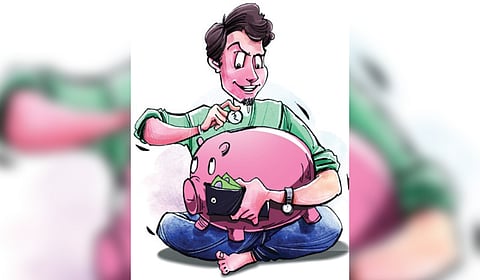
According to the survey, while the state’s average monthly household income stood at a mere Rs 8,924, the second-lowest in the country after Bihar (Rs 8,878), and consumption expenditure the lowest at Rs 7,945, an impressive 73 per cent of households reported to have been saving money.
The average monthly income of agricultural households stood at Rs 9,290 as compared to states like Punjab, which recorded the highest monthly income of Rs 31,433, followed by Haryana (Rs 25,655) and Kerala (Rs 22,757).
The survey findings position Odisha among the top-10 states in terms of household savings, defying its otherwise modest economic indicators. It also leads the nation in female-driven savings, with a whopping 88 per cent of households having at least one woman as primary saver as compared to the national average of 64 per cent.
In rural economies, women often play a central role in managing household expenses and savings, traditionally emphasising long-term security over short-term spending. Women’s involvement in micro-finance groups, SHGs, and other savings institutions in rural areas could have contributed to this trend. These platforms not only encourage disciplined savings but also promote financial literacy among women, the report stated.
Odisha is among top-five states with maximum households reporting to have made any investment on financial or physical assets. While 31 per cent households reported to have made investments, the average investment stood at Rs 53,018 against the national average of Rs 47,111.
Financial experts said the savings behaviour, especially among women, reflects a culture of prudent financial management, resilience, and resourcefulness among the state’s rural population.
General secretary of Orissa Economics Association Amarendra Das said availability of micro-finance institutions and SHG movement could have led to savings by a higher proportion of families. In a state prone to natural disasters like cyclones and floods, the motivation to save could be driven by the need for a financial safety net in times of crisis. Rural households are prioritising savings for future uncertainties, marriage expenses, and medical emergencies, he said.
Interestingly, the state is also among top-five states with a high number of households reporting indebtedness. Scheduled commercial banks, non-banking financial institutions, bank-linked SHGs and relatives and friends were the most preferred sources of borrowing for households.
The number of loan seeking families is among the highest with more than two in every five households found to be associated with at least one micro-finance institution.
