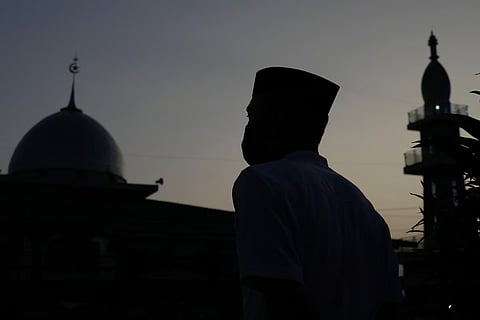

The proposed amendments to the existing Waqf law brought by the BJP government have created controversy, leading to massive protests by the opposition. The bill was ultimately sent to the Joint Parliamentary Committee. Thanks to the reduced mandate, the BJP party cannot pass this bill like they did in the last decade.
BJP which does not have a single Muslim MP, and the BJP party did not give a single ticket to Muslim women a chance to have a say in running the government or democracy championing Muslim Women’s representation in the waqf is nothing but pure hypocrisy.
Waqf in Islamic terms refers to an act of dedicating any wealth to Allah as charity for religious activities or to serve health, education, masjids, Islamic schools or even graveyards.
The existing law recognises a board that is a true representation of democratically elected members like the MLAs, MPs and people with knowledge of Indian and Sharia law from various sects of the Islamic belief system.
The waqf system starts with the local area where the donor donates property for specific purposes with the governing authority to the members of the Muslim locality after which this committee and the property are attached to the waqf board for the supervision and scrutiny. However, the administrative powers remain with the committee from the local area.
The decisions of the Waqf board are subjected to judicial scrutiny by the Waqf tribunal, high courts and supreme court which keeps the Waqf Board in check
The top of the few problems in this bill is that giving discretionary powers to the collector to determine the ownership of the land becomes difficult for the waqf board which is fighting with encroachers who are mostly the powerful group and can easily influence the collector and may favour the encroachers and affect the Purpose of charity and service.
The inclusion of non-Muslim members to the board will open a Pandora’s box. People from one faith demanding the same rights to be a part of boards for other communities will lead to chaos and social disharmony. The RSS that opposed Azam Khan to be the organiser of Kumbh Mela on religious lines are supporting these amendments because it favours their polarisation agenda.
Waqf not only monitors the administrative committee or managing accounts but also checks on the religious practices in the place of worship. Interference of non-Muslims in the affairs of worship of Muslims or vice versa is not appropriate.
The other apprehension is that the pro-corporate stand of this government which has betrayed the rights of every section of society might utilise the discretionary powers of the collectors to snatch the land from waqf and give it to the corporations as the Waqf board manages land and property worth of `1.2 lakh crore.
The BJP government, by its history, has betrayed the very purpose of any bill it has enacted. This bill is similar to betraying the Muslims of their right to govern their charitable lands, to interfere in their daily religious affairs, and in turn, to appease their frustrated vote bank, just like Akhilesh Yadav said. By not discussing with the stakeholders about the proposed amendments, BJP has exposed itself more to the charge of the opposition.
For now, the bill is being forwarded to JPC as the BJP does not have a majority in Rajya Sabha. If this JPC is effective, it can bring out the ill-intent of the BJP and the flawed nature of the bill.
Footnote is a weekly column that discusses issues relating to Tamil Nadu
(The author is a general physician and state deputy secretary of DMK Media Relations)
Main problem
The top of the few problems in the Waqf bill is that giving discretionary powers to the collector to determine the ownership of the land becomes difficult for the waqf board which is fighting with encroachers
