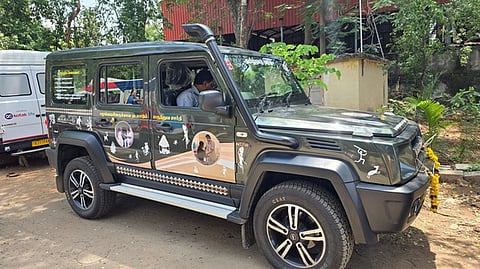

COIMBATORE: About 14 districts in Tamil Nadu have received 20 new mobile medical units (MMUs) under the National Health Mission's Sickle Cell Anaemia Elimination Mission programme, to treat the genetic disorder prevalent among tribals living in high altitude areas.
Officials associated with the programme said that the units focus on 30 tribal blocks in 14 districts identified as vulnerable to the genetic disorders sickle cell anaemia and thalassemia. Approximately 500 cases of sickle cell anaemia and 300 cases of thalassemia have been identified across Tamil Nadu.
National Health Mission’s senior consultant (Tamil Nadu), Dr D Beula, said the programme was initiated on November 17, 2017. Specifically, it was implemented in blocks with tribal populations, and the prevalence of blood disorders such as sickle cell anaemia and thalassemia cases are high.
The mobile units will feature four-wheel drive vehicles that can easily navigate hilly terrain, accompanied by doctors, nurses, lab technicians and counsellors. While the medical team treats the disorder, the counsellors will guide people on ways to prevent the disease.
Through the NHM, they would be provided basic drugs to treat the disorders, and frequent treatment would be offered at Government Medical College Hospitals.
Sickle cell disease is a genetic disorder in which red blood cells contort into a sickle shape. The cells die early, leaving a shortage of healthy red blood cells (sickle cell anaemia) and can block blood flow, causing pain (sickle cell crisis). Infections, pain and fatigue are symptoms of sickle cell disease.
Staff in the mobile medical units will check tribal students to check for sickle cell trait (SCT). They will consult the tribals and provide counselling against marrying people affected by SCT or sickle cell disease, and also not have children with affected persons. Premarital and preconception screening for haemoglobin status is crucial to inform these decisions and reduce the risk of transmission. If they get married, counselling will be provided for childbirth. If the foetus is found with the same risk, they will be guided for abortion within 20 weeks of pregnancy.
Five vehicles have been provided to Nilgiris district, and two vehicles each in Krishnagiri and Coimbatore. 12 other districts — Dharmapuri, Erode, Kallakurichi, Nagercoil, Namakkal, Dindigul, Salem, Tiruvannamalai, Tiruchi, Tirupattur and Vellore — will get one vehicle each.
Cases identified in Coimbatore blocks
In Coimbatore, two new units have been given to cover three blocks — Anaimalai, Periyanaickenpalayam and Karamadai — where the cases are high compared to other areas. In Coimbatore, the programme was implemented in three focused blocks with the support of two NGOs. The sources said that there are 56 sickle cell anaemia cases (Karamadai - 37, Periyanaickenpalayam -16 and Anaimalai - 3 and one thalassemia (Anaimalai) case have been identified and are under treatment.
