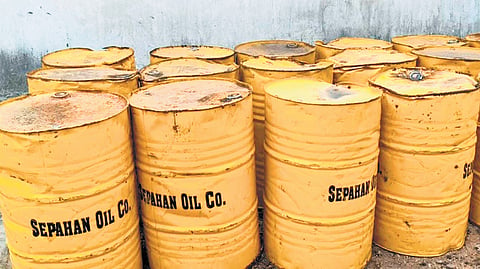

THOOTHUKUDI: The price of paraffin wax, a key raw material used in safety match industries, has surged from Rs 80/kg to Rs 130/kg in the past two weeks, owing to a delay in the import of goods from war-hit Iran, which is the major supplier. The petroleum derivative is used in the manufacturing of matchsticks, both wooden and wax, to ensure smooth ignition and steady burning.
National Small Match Manufacturers Association convenor R Vinoth Prabakaran said the ongoing war in West Asia has severely disrupted the supply of paraffin wax, resulting in a surge in prices that he expected to rise further in the coming weeks.
While paraffin wax is used as a coating in wooden matchsticks, wax safety match units require large quantities of the raw material for the manufacturing process. Some manufacturers said they have been using domestically supplied paraffin wax from Chennai Petroleum Corporation Limited (CPCL).
Raju, a manufacturer, told TNIE that the wax supplied by the CPCL costs Rs 125/kg and has less oil content. Thus, manufacturers largely prefer the high-grade paraffin wax from Iran, he said. The price surge would increase the production cost by at least Rs 10/carton of 600 matchboxes; meanwhile, the selling price would remain the same, he added.
V S Sethurathinam, former president of the aforementioned association, said if the war situation prevails, the manufacturers will soon run out of stock, which would affect production in the safety match units and the employment of more than five lakh woman labourers, who rely on the industry for their livelihood.
