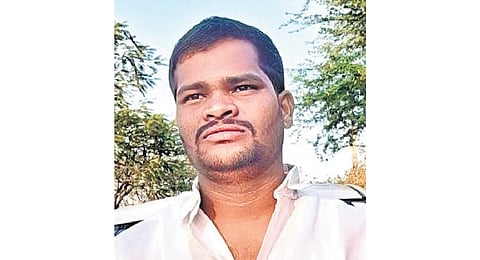

HYDERABAD: Rajkumar walked free on anticipatory bail. Six murders later, the case has reignited a difficult question: can the system do more to prevent those accused of serious offences from striking again?
The law already allows courts to impose conditions while granting bail. But former advocate general K Ramkrishna Reddy believes there is a gap in what the system assesses before an accused walks free. He tells TNIE: “The conditions imposed while granting bail vary from one accused to another, depending on the facts and circumstances of each case. Courts may impose conditions such as reporting to the police or surrendering a passport.”
What is missing, Ramkrishna Reddy says, is a mechanism to assess the risk an accused may pose after release. “There is no mechanism in India to assess an accused’s mental condition or tendency to commit another serious offence before release on bail. In POCSO and other serious cases, a mental health assessment should be considered while deciding on bail. This case highlights the need for such a mechanism.”
Advocate Ramesh Pittla cautions against placing responsibility solely on either the police or the judiciary. Courts, he explains, consider several factors while granting bail, including the strength of evidence, the accused’s criminal antecedents, conduct, local roots, medical grounds or family emergencies.
An accused remains an accused until convicted by a court, Pittla says, adding that granting bail does not amount to declaring a person innocent. Bail also comes with safeguards, with courts directing an accused not to threaten witnesses, tamper with evidence or interfere with the investigation.
Yet, there are limits to what the system can foresee. No authority, Pittla points out, can accurately predict whether a person released on bail will commit another offence.
For him, the incident reflects a systemic challenge rather than the failure of a single institution. Courts, he says, should exercise greater caution while considering bail applications in grave offences, particularly under the POCSO Act and when an accused has a history of criminal behaviour.
But scrutiny cannot end at the courtroom door. Pittla calls for stronger post-bail monitoring in serious criminal cases, including periodic reporting to the local police station and closer monitoring by law enforcement agencies within the limits of law.
Preventing repeat offences, he adds, requires coordination between the judiciary, police and society, timely reporting of suspicious behaviour and strict enforcement of bail conditions.
Speedier trials, Pittla says, are another part of the answer. “For such cases there are fast track courts; however, the number of such courts should be increased, and trials should be completed within the time period. When strict punishment is given to criminals, in the future, whoever has the intention to commit such a crime will become cautious and will not commit such crimes.”
The case also raises questions over reporting POCSO offences. Pittla clarifies that while the identity of an accused may be published, the identity of a victim in POCSO cases is protected by law and must not be disclosed until permitted under legal provisions.
