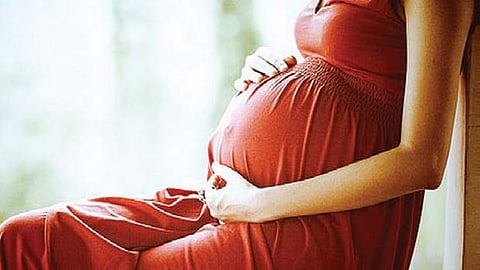

HYDERABAD: Pregnant women in Telangana may face a higher risk of delivering low birth-weight or preterm babies after exposure to just a few days of extreme heat, according to a new national-level study. Health experts have therefore called for expectant mothers to be recognised as a priority group in the State’s Heat Action Plan.
The study also found that neighbouring Andhra Pradesh could experience a similar rise in the risk of low-birth-weight births following short spells of extreme heat, highlighting the growing public health challenge posed by rising temperatures across the two Telugu states.
The research was led by the University of Queensland-IIT Delhi Academy of Research in collaboration with IIT Delhi, the University of Queensland’s School of Public Health, UNSW Sydney, the University of Exeter and Korea University.
Published in the peer-reviewed journal Environmental Research Communications, the study found that three to four consecutive “sweltering” days during pregnancy were enough to significantly increase the risk of adverse birth outcomes. Researchers analysed 2,09,266 births recorded across India between 2015 and 2020 using data from the National Family Health Survey (NFHS-5). Each pregnancy was matched with local heat exposure levels using the India Heat Index, which factors in temperature, humidity, wind speed and solar radiation.
The researchers found that every additional consecutive sweltering day during pregnancy increased the odds of low birth weight by about 1 per cent. Heat exposure during the first trimester was linked to a higher risk of preterm birth, while exposure during the second trimester was associated with an increased likelihood of low birth weight.
The study also found that women with little or no formal education, those from economically weaker households and mothers with a low body mass index were more vulnerable to the effects of extreme heat during pregnancy.
Lead author Vineetha Vincent said that although the increase in risk per day appeared small, the cumulative impact of prolonged heat exposure during pregnancy could become a significant public health concern.
Co-author Prof Sagnik Dey of IIT Delhi said adaptation measures should prioritise pregnant women, particularly those from economically and socially disadvantaged backgrounds.
Health experts pointed out that the findings are especially significant for Telangana and Andhra Pradesh, where summer temperatures frequently cross 40°C and heatwave alerts have become increasingly common.
Senior gynaecologists described the study as one of the first large-scale Indian investigations to directly examine the impact of climate change on pregnancy outcomes. They said the findings highlight an overlooked public health concern and underline the need for targeted interventions to protect expectant mothers. Experts also noted that women from economically weaker sections are likely to face the greatest risks, as many continue to work outdoors during pregnancy and have limited access to cooling facilities.
Obstetricians advised pregnant women to stay well hydrated, avoid outdoor activities during peak afternoon hours, attend regular antenatal check-ups and seek immediate medical attention if they experience dizziness, dehydration or reduced foetal movements during periods of extreme heat.
They added that the findings should serve as a wake-up call for the Telangana and Andhra Pradesh governments to integrate maternal health into their Heat Action Plans, strengthen awareness campaigns and issue specific heat advisories for pregnant women before and during the summer season.
