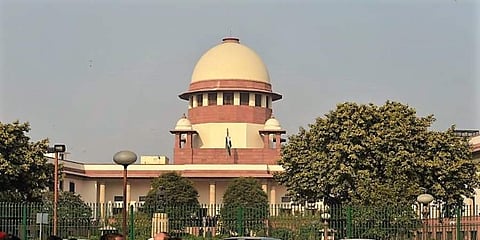

NEW DELHI: With an aim to save the environment and making it compatible in midst of the pandemic, the Supreme Court worked without paper files while hearing the cases.
Digitisation of cases will help saving the axing of over 4500 trees approximately a year. On an average, nearly 500 petitions or annexures are filed in the apex court and each petition is over 400 pages.
Last week, a bench headed by Justice D Y Chandrachud held the first paperless proceedings and all three judges worked on their laptops.
The case files were electronically transferred to the judges a day before so they could study them. During the hearing, the judges read the case papers from their respective laptops.
According to sources, tablets with upgraded software has been provided to all the judges already. Justice Chandrachud who also heads the Supreme Court’s e-courts committee, is looking into digitisation reforms for the judiciary and has launched the e-filing module too for the lawyers which allows them to file their cases on a 24*7 basis.
Once the digitisation is fully operational then the apex court would electronically collect records of trial and high courts and there would be no need of case records being filed afresh.
Those wanting to file petitions in the top court would only have to briefly put in writing the grounds on which they challenge an order.
Though e-filing system was introduced in the top court in 2006, but it has failed to take off properly as only a few number of litigants use electronic filing.
