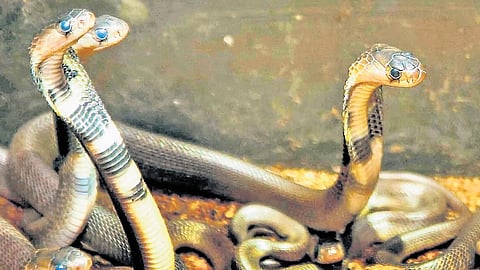

DEHRADUN: Climate change is increasingly being cited as the primary driver behind the alarming surge in wildlife attacks across Uttarakhand, with recent data suggesting the impact extends beyond bears and leopards to include venomous snakes becoming unusually active during winter months.
While the focus has traditionally been on dangerous encounters with bears, which are reportedly foregoing hibernation due to warmer temperatures, forest department sources indicate that snakes are exhibiting similar behavioral shifts, leading to a frightening increase in fatalities. “For many wildlife species, including bears and snakes, winter was traditionally a period of hibernation,” stated Uttarakhand Forest Minister Subodh Uniyal while speaking to this newspaper. “Normally, these animals remain dormant for about three months, resulting in fewer attack incidents. This year, the situation is different. Their failure to hibernate has increased their activity, which is why we are registering more cases.”
The statistics paint a grim picture. While bears and leopards dominate headlines, the threat posed by venomous snakes appears statistically deadlier.
According to recent forest department figures, in the last month and a half, snakebites claimed 13 lives, with another 23 requiring hospitalisation for serious injuries. Long-term data highlights the severity of the issue: since 2013, snakebites have resulted in 274 deaths across the state.