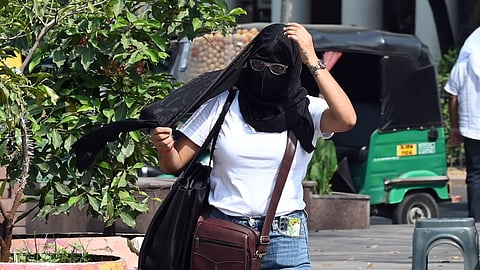


The alarm rings at 6 am, but the heat has already arrived. By the time Rinu Raj, a 35-year-old government employee in Thiruvananthapuram, drops her seven-year-old daughter Tara at a summer camp and navigates the city's clogged streets on her scooter, her clothes are soaked. She reaches her desk with a throbbing head, stinging eyes, and a bone-deep exhaustion she can't quite explain. Rinu doesn't live on the scorched Deccan Plateau. She lives on the coast. And still, the heat is winning.
Across India, from humid southern cities to the parched northern plains, millions of people are losing that same quiet battle every day. What looks like ordinary summer fatigue is, doctors warn, the early signature of something far more serious, a slow-moving health emergency unfolding simultaneously in hospital waiting rooms, paediatric wards, and specialist clinics across the country.
The body registers heat stress in stages, and the first warnings are easy to dismiss. Persistent headaches, dizziness, sudden fatigue, and muscle cramps are the body's opening distress signals. Left unaddressed, they escalate into heat exhaustion, marked by heavy sweating, nausea, and a racing pulse, and in the most severe cases, heatstroke, where the body's internal temperature regulation collapses entirely. Heatstroke is a medical emergency. It can cause organ damage, neurological complications, and death. Yet every summer, patients arrive at emergency rooms having ignored the warning signs for hours, convinced they were simply tired from the commute.
Skin, too, bears the brunt of prolonged heat exposure. Prickly heat rash, fungal infections, and severe sunburn are surging in dermatology clinics. The combination of sweat, humidity, and UV exposure creates conditions where skin breaks down faster than it can recover, particularly in people who spend long hours outdoors. For children, whose skin is more sensitive, even brief afternoon exposure can trigger rashes that take days to heal and cause considerable distress.
The digestive system is equally vulnerable. Heat accelerates bacterial growth in food and water, making gastrointestinal infections dramatically more common in summer months. Dr Sunil Puraswani, a paediatrician at Motherhood Hospitals, treats between 30-40 children daily through this season, most arriving with vomiting, loose motions, and dehydration, almost always traced back to food or drinks consumed outdoors in the heat. Adults are not immune. Foodborne illness, stomach cramps, and diarrhoea spike across age groups during heatwaves, straining both individuals and the healthcare system.
Underlying all these conditions is dehydration, the common thread connecting most heat-related illnesses. The body's first response to heat is sweat, an efficient cooling mechanism that also depletes fluids and electrolytes faster than most people realise. When those losses go unreplenished, blood volume drops, circulation strains, and organs begin to feel the pressure. Dr Mohammed Taif Bendigeri, senior consultant urologist at the Asian Institute of Nephrology and Urology in Hyderabad, warns that reduced blood flow to the kidneys can trigger acute kidney injury, a sudden, dangerous decline in function that often goes unrecognised until it becomes serious.
Chronic dehydration across a season can do something slower and equally damaging – concentrate urine to the point where minerals crystallise into kidney stones, and over years, push patients toward chronic kidney disease. The damage doesn't announce itself. It accumulates quietly, commute by commute.
The most critical mistake, doctors agree, is waiting for thirst before drinking water. Thirst is a late signal — by the time it arrives, the body has already begun to compromise. Consistent hydration throughout the day, not reactive gulping, is what protects the body under sustained heat. Caffeine, alcohol, and high-salt foods compound the kidneys' burden and should be limited. Children should be dressed in loose, breathable cotton and kept indoors during peak afternoon hours, roughly 11am to 4pm. When outdoor exposure is unavoidable for anyone, shade and rest are not indulgences. They are clinical necessities.
India's summers have always been punishing. But as temperatures climb higher and linger longer, the body's margin for error shrinks. The heat no longer reserves its worst for the desert or the plateau — it arrives on coastal commutes, in school courtyards, in the bodies of people simply trying to get through an ordinary day. Adjusting routines, drinking deliberately, and recognising the body's early warnings are no longer optional habits. In a country heating faster than its public health infrastructure can absorb, they are the most fundamental acts of self-preservation.