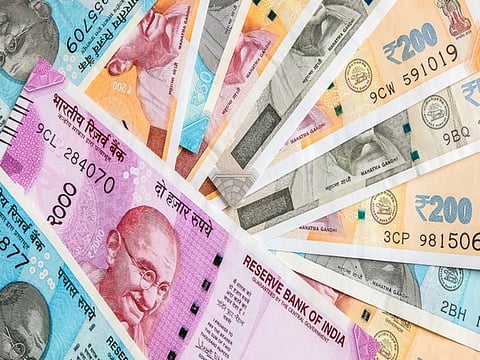

A nose-diving rupee is set to make a wide range of consumer products costlier, from white goods to smartphones and cars, as most companies will have no option but to pass on higher import costs to buyers. The rupee declined to 90.47 versus the US dollar on Thursday, surpassing its previous historic low of 90.42 recorded on December 4. The slide of more than 5.5% in 2025 has sharply raised the landed cost of dollar-denominated components, thus squeezing margins across consumer-focused sectors.
White goods makers, which depend on imported compressors, controllers and other key parts, are staring at an input cost rise. “Durables industry is getting affected by sustained currency depreciation as well as adverse commodity costs and scheduled energy regime changeover, which cumulatively will lead to a significant cost increase in cooling categories, with ACs being most impacted. In the immediate context, energy regime changeover linked price hike to the tune of 5-7% for ACs and 3-5% for Refrigerators looks likely. We will aim to hold off the commodity linked price hike and monitor the impact over next quarter,” said Kamal Nandi, Business Head & EVP at Appliances Business of Godrej Enterprises Group.
Blue Star Managing Director B. Thiagarajan said that the major impact of rupee decline is felt on the country’s exchequer given India is a major importer of oil. “The other impact is felt on the equity market as FIIs tend to leave the market. These two factors indirectly affect consumer sentiments,” he stated. Acknowledging the decline in the rupee, he said that they are engaging with vendors to lower the prices of imported components. “The other way to hedge a declining rupee is to increase exports and earn in dollars,” Thiagarajan told TNIE.
The auto industry, particularly the premium segment, is also mulling a price hike as imported kits, electronic components and fully built units turn pricier in rupee terms. Luxury carmakers such as Mercedes, BMW and Audi already had a steep price hike in 2025 and the trend is likely to continue next year as well.
“2025 was an exciting year for the automotive industry. The GST 2.0 impact has been strong on the overall economy. This positive effect however may erode in the mid to long-term, with prices rising owing to deteriorating forex. We are considering a price hike from January next year, however, the recent interest rate drop should support the continued demand,” said Santosh Iyer, MD & CEO, Mercedes-Benz India.
Some automakers in the mass segment, however, may postpone an immediate price hike to keep the demand momentum alive following the GST rate cut of up to 10% in late September. Electric vehicle prices, however, may go up early next year as companies source a large number of components such as battery packs, chargers and other components from abroad.
Electronics and smartphone makers also face a similar squeeze as panels, batteries and especially semiconductors have become more expensive. A senior executive of a smartphone company said that prices surged by up to Rs 2,000 due to a sharp rise in prices of storage components. He added that along with currency depreciation and no signs of slowdown in prices of storage components and semiconductors, smartphones may become dearer by up to Rs 5,000 next year.
