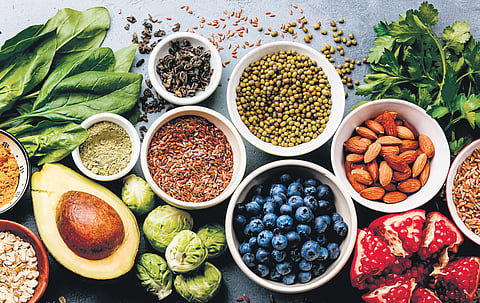

CHENNAI: Reactive oxygen and nitrogen species (free radicals) can be generated endogenously (by mitochondria, peroxisomes, and phagocytic cells) and exogenously (by pollution, UV exposure, xenobiotic compounds, and cigarette smoke). The negative effects of free radicals are neutralised by antioxidant molecules synthesised in our body, like glutathione, uric acid, or ubiquinone, and those obtained from the diet, such as vitamins C, E, and, A, and flavonoids.
Different microelements like selenium and zinc have no antioxidant action themselves but are required for the activity of many antioxidant enzymes.Maintaining the balance between free radicals and antioxidants is a prerequisite for staying healthy. Thus, the control of oxidative stress processes may turn out to be fundamental in both the prevention and treatment of many diseases, such as diabetes, atherosclerosis, coronary artery disease, cancer, inflammation, liver diseases, cardiovascular diseases, cataracts, nephrotoxicity, and neurodegenerative processes accompanying ageing.
Fruits and vegetables contain antioxidant vitamins, including vitamin C, vitamin E, and pro-vitamin A carotenoids. Selenium, copper, manganese, and zinc are considered antioxidant minerals because they are required for the activity of antioxidant enzymes.
Dietary sources and antioxidant properties
Vitamin C: It is a water-soluble vitamin, antioxidant, and dietary iron absorbent. Humans are unable to synthesise vitamin C, so it is strictly obtained through the dietary intake of fruits and vegetables. Citrus fruits, berries, tomatoes, potatoes, and green leafy vegetables are excellent sources of vitamin C.
Vitamin E: It is found naturally in some foods, added to others, and available as a dietary supplement. Vitamin E is the collective name for a group of fat-soluble compounds with distinctive antioxidant activities. It is a fat-soluble antioxidant that stops the production of ROS formed when fat undergoes oxidation. Numerous foods provide vitamin E. Nuts, seeds, and vegetable oils are among the best sources of alpha-tocopherol, and significant amounts are available in green leafy vegetables and fortified cereals.
Vitamin A: Vitamin A, carotenoids, and pro-vitamin A carotenoids can be effective antioxidants for inhibiting the development of heart disease. Vitamin A must be obtained from the diet: green and yellow vegetables, dairy products, fruits, and organ meats are some of the richest sources. Within the body, vitamin A can be found as retinol, retinal, and retinoic acid.
Selenium: Ageing is characterised by an imbalance between damage inflicted by reactive oxygen species (ROS) and the antioxidative defences of the organism. As a significant nutritional factor, the trace element selenium (Se) may remodel gradual and spontaneous physiological changes caused by oxidative stress, potentially leading to disease prevention and healthy ageing. Selenium is involved in improving antioxidant defence, immune functions, and metabolic homeostasis. An inadequate Se status may reduce human life expectancy by accelerating the ageing process or increasing vulnerability to various disorders, including immunity dysfunction, and cancer risk. Sources include mushrooms, and Brazil nuts.
Copper: It supports normal brain development and immune functions, and is a component of superoxide dismutase, an antioxidant enzyme that dismantles harmful oxygen free radicals.
Manganese: An essential element that is involved in the synthesis and activation of many enzymes and in the regulation of the metabolism of glucose and lipids in humans. In addition, it is one of the required components for Mn superoxide dismutase (MnSOD) that is mainly responsible for scavenging ROS in mitochondrial oxidative stress. Sources: Brown rice, mussels, hazelnuts, and chickpeas.
Zinc: Although zinc is a redox-inert metal, it possesses a metal-binding capacity and exhibits antioxidant functions. Zinc also suppresses anti-inflammatory responses that would otherwise augment oxidative stress. It has been shown that zinc deficiency and zinc excess cause cellular oxidative stress. Sources: Nuts.
