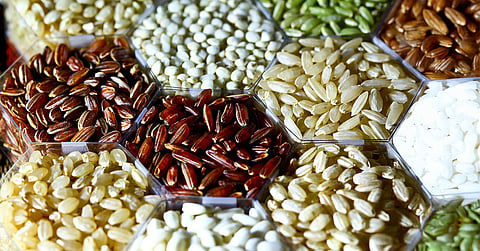

Rice has long been called the prince of grains, and for good reason. From bustling Asian kitchens to tropical coastlines, this humble grain sustains more than half the world’s population. Beyond being a comfort food, rice provides vital energy, nutrients, and even therapeutic properties. In Tamil Nadu, traditional rice varieties have been valued for centuries, not just as food, but as medicine that nourishes, restores, and strengthens the body.
Mappillai Samba: The Bridegroom’s Rice
Once known as the secret strength food of ancient warriors and wrestlers, Mappillai Samba, literally Bridegroom’s Rice, was believed to enhance vitality and stamina. Its deep red hue signifies its richness in iron and zinc, both crucial for producing haemoglobin and myoglobin, the proteins that transport oxygen throughout the body. This helps improve endurance, muscle function, and energy levels.
Modern research validates these ancient beliefs, showing that Mappillai Samba has antihypercholesterolemic and antidiabetic properties, and may even enhance male fertility. It’s a slow-digesting, low glycaemic index grain that provides sustained energy, ideal for high-intensity activity and blood sugar control. The rice’s fibre content supports digestion and gut health, while vitamin B1 aids in healing stomach and mouth ulcers.
Nutrition per 100 g:
Calories: 150-180 kcal
Protein: 6-8 g
Carbohydrates: 32-36 g
Fibre: 1-4 g
Thooyamalli Rice: The Pure and Fragrant Grain
Named after jasmine (‘Thooya’ meaning pure, ‘Malli’ meaning jasmine), Thooyamalli rice is known for its soft texture, delicate aroma, and subtle flavour. Once favoured by Tamil kings, this rice remains a culinary and nutritional treasure. Consumed in its unpolished form, it retains its natural minerals, especially magnesium, which supports cardiovascular health by maintaining relaxed blood vessels and steady heart rhythms.
Thooyamalli rice is rich in calcium and iron, helping strengthen bones and prevent anaemia. Its high fibre content promotes smooth digestion, supports gut health, and helps manage cholesterol levels. With a low glycaemic index, it’s an excellent choice for people managing diabetes. Regular consumption is said to improve skin health, reduce inflammation, and delay signs of ageing, benefits likely linked to its antioxidant profile.
Nutrition per 100 g:
Calories: 150-170 kcal
Protein: 6-8 g
Carbohydrates: 30-38 g
Fibre: 4 g
Karuppu Kavuni: The Emperor’s Rice
Regarded as the Emperor’s Rice, Karuppu Kavuni was once reserved for royalty and remains one of the most nutrient-dense rice varieties. Its striking black-purple colour comes from anthocyanins, powerful antioxidants also found in blueberries — which combat oxidative stress, slow down aging, and protect the body from chronic diseases like diabetes, cancer, and arthritis.
Karuppu Kavuni is also high in fibre and has a low glycaemic index, helping regulate cholesterol and support heart health. It assists in detoxifying the body, improving metabolic efficiency, and enhancing eye health due to its vitamin E and anthocyanin content. Traditionally prepared as sweet pongal or pudding for special occasions, it’s now being rediscovered as a functional food for modern wellness.
Nutrition per 100 g:
Calories: 150-180 kcal
Protein: 4-8 g
Carbohydrates: 32-35 g
Fibre: 5 g
Why traditional rice matters today
Unlike polished white rice, traditional varieties like Mappillai Samba, Thooyamalli, and Karuppu Kavuni retain their natural nutrients, minerals, and fibre. They provide sustained energy, support gut health, regulate blood sugar, and improve cardiovascular wellness. Their antioxidant richness help fight inflammation and cellular damage, making them far more than just staple foods.
Incorporating these heritage grains into modern diets not only celebrates Tamil Nadu’s rich agricultural legacy but also reconnects us to the wisdom of ancient nutrition. Traditional rice isn’t just food; it’s a bridge between culture, science, and sustainable health.
